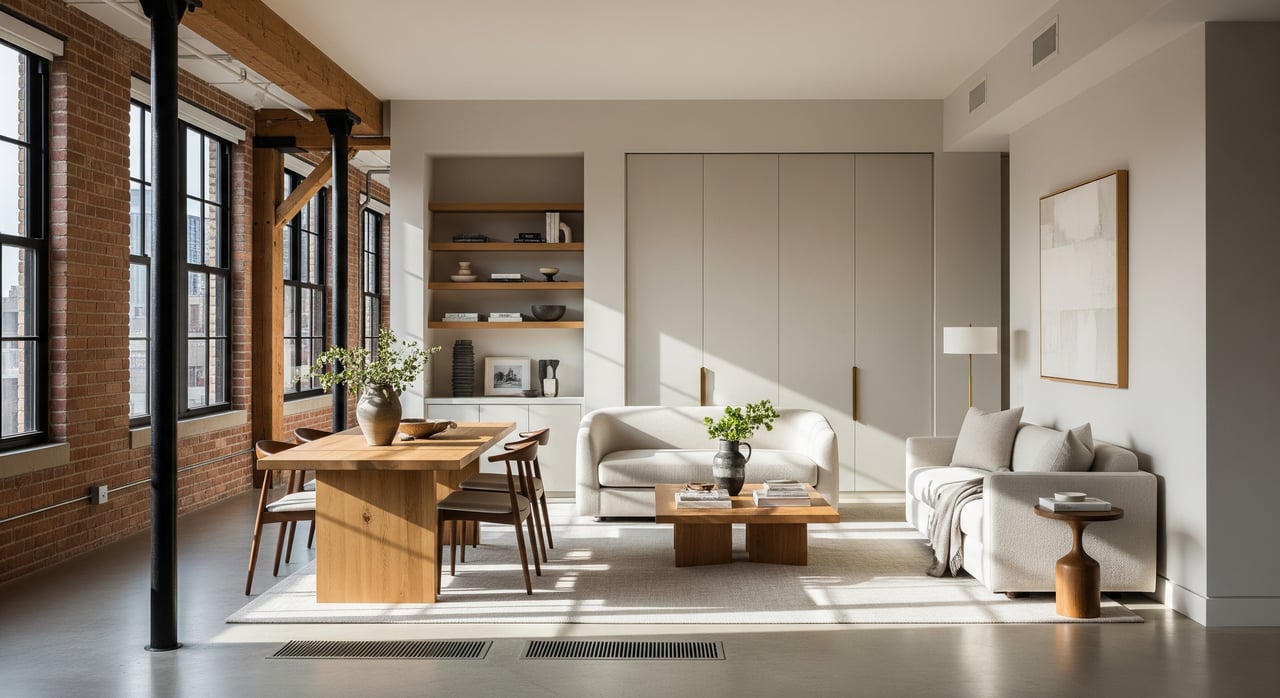
If you love brick, beams, and history but also want modern comfort, you are not alone. Choosing between an authentic timber loft and a newer soft loft in the West Loop can feel like a coin toss. The right fit depends on how you live, what you value day to day, and how you plan to resell. In this guide, you will learn the real differences in ceilings, light, noise, HVAC, maintenance, neighborhood factors, and due diligence so you can buy with confidence. Let’s dive in.
Quick definitions
What is a timber loft?
Timber lofts are authentic conversions of former industrial or warehouse buildings from the late 19th and early 20th centuries. You will often see heavy timber posts and beams, exposed brick, large multi‑pane steel windows, and high ceilings. These buildings were adapted for residential use and may be condos, co-ops, or rentals. Buyers choose them for their character, volume, and historic fabric.
What is a soft loft?
Soft lofts are newer buildings designed with a loft look. They use modern structure and systems, often with exposed ductwork and open plans to echo industrial style. You still get large windows and open layouts, along with contemporary amenities and energy performance. Buyers choose them for modern systems, predictability, and lower maintenance.
Day-to-day living differences
Ceilings and structure
Timber lofts often deliver soaring ceilings, commonly 12 to 20 feet in main spaces. The heavy timber floors feel solid, though they can be more flexible than concrete. Soft lofts typically have 9 to 12 foot ceilings, with flatter modern floor slabs and framing. If you see a mezzanine, confirm it was permitted and is code compliant.
Light and windows
Many timber lofts have large steel-frame factory windows and deep openings. Daylight can be excellent, although older frames can be less efficient unless upgraded. Soft lofts usually use modern energy-efficient windows that improve thermal comfort. For any unit, check window condition, seals, and orientation relative to nearby buildings and the sun.
Noise and acoustics
Modern soft-loft construction with concrete or engineered floor systems often provides better impact sound isolation by design. Heavy timber floors can transmit more impact noise unless upgraded with acoustic underlayment or a floating system. In the West Loop, street activity, restaurants, and delivery operations can add noise, especially near Randolph Street. Ask about floor and ceiling assemblies, any acoustic upgrades, and HOA rules on flooring.
HVAC and energy performance
Older timber conversions use retrofitted systems, such as in-unit splits, ducted systems, or building-level boilers and chillers. Thermal comfort depends on retrofit scope and window upgrades. Soft lofts are usually built to modern energy codes with efficient glazing, better insulation, and contemporary ventilation. Compare the age and type of mechanicals, recent upgrades, and, when available, sample energy bills.
Safety and moisture
Historic heavy timber can perform well in fires but conversions must meet current residential life-safety requirements. Verify sprinkler coverage, egress, and any fireproofing work completed during conversion. For any loft, review roof and facade conditions, flashing, and signs of moisture intrusion. In timber buildings, pay attention to wood rot and areas prone to leaks.
HOA fees and operating costs
Timber loft associations often have fewer amenities, which can help monthly assessments. Maintenance for older masonry, roofs, and original components may require higher capital spending over time. Soft lofts often include concierge-level amenities that raise monthly dues, but systems are newer and more predictable. Review the HOA budget, reserves, special assessment history, and insurance premiums for a full picture.
West Loop realities
Dining district and noise patterns
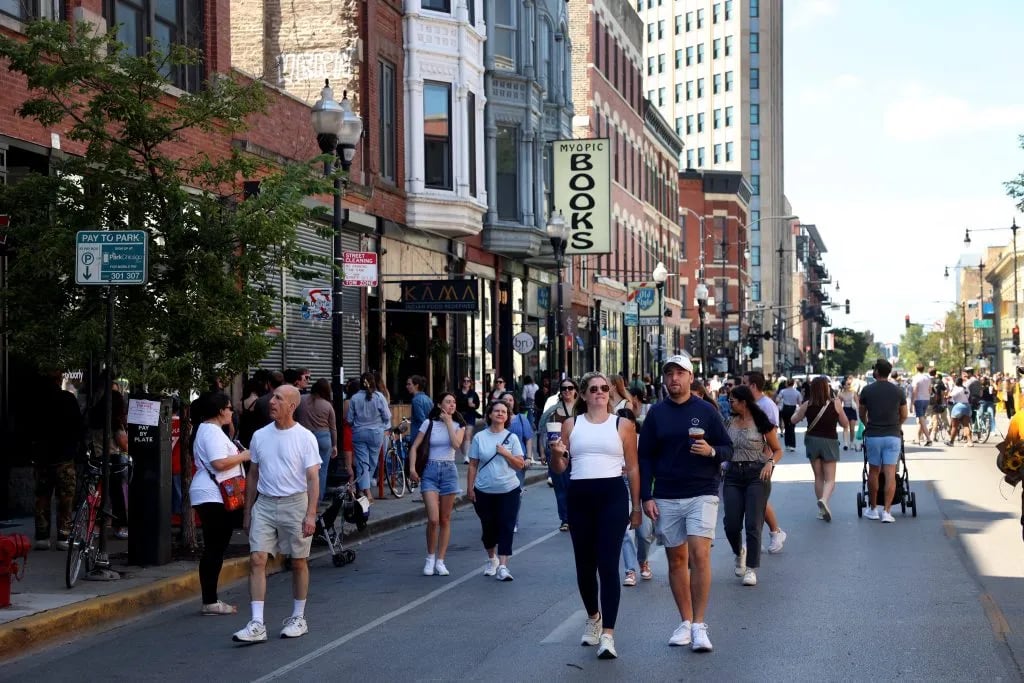
Restaurant Row and Fulton Market bring an active street life that many residents love. With foot traffic and deliveries, evenings can be lively. Units facing busy corridors may experience late-night noise or odors from restaurants or ventilation. Visit at different times, including evenings, to understand the sound profile.
Parking and storage
Many historic loft buildings were not designed with parking, so deeded spaces can be limited. Soft lofts and newer buildings may include parking or structured garages, often at a premium. Verify parking availability, rental options, bicycle storage, and storage locker policies before you make an offer.
Zoning and landmarks
Parts of the West Loop include conservation and historic areas. Facade or rooftop changes may be regulated in designated districts or by recorded covenants. Confirm any landmark status, easements, or approvals that could affect exterior modifications.
Transit and access
You are close to the Loop, CTA options, and major expressways. Walkability to dining and downtown is a key draw. If you commute or travel often, check travel times during peak periods and confirm elevator and loading access for move-ins.
Who each loft fits
The design purist
You value history, texture, and scale. A timber loft’s beams, brick, and volume are part of your lifestyle. You are comfortable managing maintenance and doing deeper due diligence.
The turnkey pragmatist
You want a loft vibe without the guesswork of older systems. A soft loft’s modern HVAC, energy efficiency, and amenities suit your routine. Predictable maintenance is worth a higher monthly assessment for you.
The entertainer
You host often and want a flexible, open plan. Either loft type can work if you prioritize ceiling height, light, and sound control. For lively gatherings, consider acoustic upgrades, area rugs, and a layout that keeps noise inside your space.
Resale and financing
Resale dynamics
Both loft types can resell well in the West Loop. Authentic timber lofts are scarce and can command premiums when well maintained and near core attractions. Soft lofts appeal to a broader buyer pool that values modern systems and amenities. Condition, building health, and location matter more than the label.
Financing and insurance
Lenders may take a closer look at older conversions. Expect requests for permits, proof of code compliance, and HOA financials. Insurance premiums on older timber buildings can be higher, depending on fire protection and roof condition. Get lender requirements and insurance estimates early to reduce surprises.
Your due diligence checklist
Documents to request
- HOA bylaws and rules, current budget, reserve study, meeting minutes, and special assessment history.
- Evidence of permits and certificates of occupancy for conversion work or major alterations.
- Recent engineering, facade, roof, or structural reports, plus mechanical replacement histories.
- Utility information if available, including heating and cooling type and recent bills.
Physical inspection priorities
- General inspection of plumbing, electrical, HVAC performance, roof access, windows and doors, and visible moisture issues.
- For timber lofts, a structural review of beams, posts, and floor deflection by a professional familiar with heavy-timber buildings.
- Acoustic review or occupant feedback during peak hours if sound control is a priority.
- Mechanical assessment of boilers, chillers, ductwork, and ventilation, including air balancing.
- Permit verification for mezzanines, lofted areas, or other interior modifications.
- Environmental checks for asbestos in older materials, lead paint in pre-1978 components, and hidden moisture.
- Envelope review for parapets, flashing, masonry repointing, and window seals.
Negotiation tips
- Include an inspection contingency long enough for specialized reviews.
- Use escrow holds for outstanding repairs and require proof of permitted work and completion.
- For timber lofts, request recent engineering reports or major retrofit invoices.
Showing strategy in the West Loop
- Tour in daylight to evaluate natural light and views.
- Return in the evening to gauge street and restaurant noise.
- Visit the lobby, hallways, and loading areas to assess building operations and staff.
How to choose for your goals
Start with the experience you want every day. If you value historic architecture, taller ceilings, and one-of-a-kind details, focus on well-maintained timber conversions with documented upgrades. If you prefer modern systems, efficiency, and amenities, shortlist soft lofts with strong HOA reserves and predictable upkeep. In both cases, make the building’s financials, permits, and physical condition part of your decision, not an afterthought.
Buying the right West Loop loft is about aligning lifestyle, budget, and risk tolerance. When you anchor your search in real performance factors like acoustics, HVAC, window quality, and HOA health, you reduce surprises and protect resale value.
Ready to see top timber and soft loft options on and off market, and to navigate due diligence with confidence? Connect with IKGroup for a private, concierge consultation and curated showings.
FAQs
Which loft type is quieter in West Loop?
- Modern soft-loft construction with concrete or engineered floors generally offers better impact noise isolation, while timber floors can be noisier unless upgraded. Verify assemblies and ask neighbors.
Do timber lofts cost more to maintain than soft lofts?
- Timber lofts may have lower monthly HOA fees but can carry higher maintenance needs for older building systems and exteriors. Soft lofts often have higher dues for amenities but newer systems.
Are financing hurdles common for older conversions?
- Lenders may require evidence of permitted conversion work and strong HOA financials. Provide permits, certificates of occupancy, and association documents early in the process.
Do timber lofts get more natural light than soft lofts?
- Many timber lofts have large factory windows and deep daylight, but actual light depends on orientation and nearby buildings. Soft lofts can also feature large, efficient windows.
Does historic designation limit changes in the West Loop?
- Landmark or conservation status can restrict exterior modifications and rooftop additions. Interior changes are often less restricted, though recorded covenants can apply.
Which has better resale: timber or soft lofts in the West Loop?
- Both can perform well. Timber lofts can command premiums when rare and well maintained, while soft lofts attract buyers who want turnkey living and amenities. Location and building health drive outcomes.