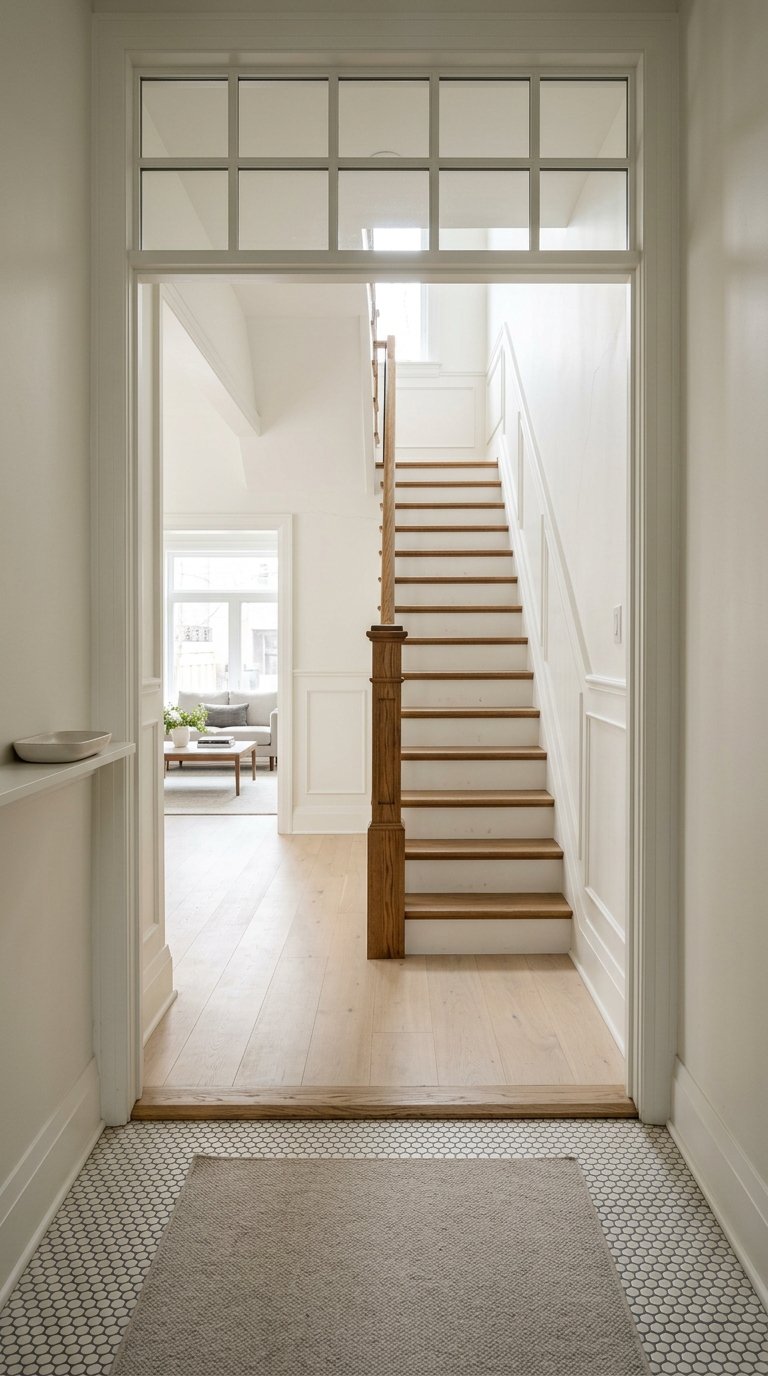
Trying to choose between new construction and vintage homes in Bucktown? You are not alone. In a neighborhood known for both historic housing stock and steady redevelopment, the right fit often comes down to how you want to live, what level of upkeep you can tolerate, and which features matter most day to day. This guide will help you compare the main home types in Bucktown, understand the tradeoffs, and decide which path may suit your goals best. Let’s dive in.
Why Bucktown Offers Both
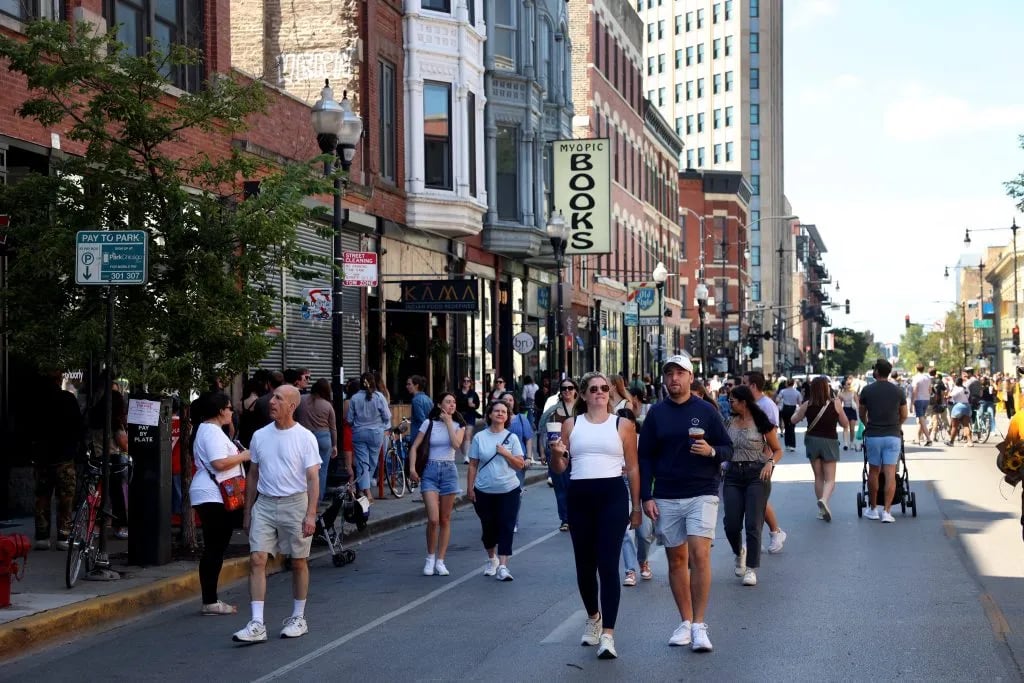
Bucktown has long been a neighborhood where old and new sit side by side. According to the Bucktown Community Organization, the neighborhood was annexed to Chicago in 1863, and its housing reflects decades of growth, settlement, and reinvestment.
That layered history is still visible today. The Wicker Park/Bucktown Chamber of Commerce history overview describes the area as a mix of older residential streets and newer commercial and residential investment, which helps explain why you can tour a recently built home one day and a century-old property the next.
Bucktown Market Snapshot
Bucktown remains a competitive market, which matters whether you are considering a turn-key home or a property with older character. In February 2026, Redfin’s Bucktown housing market data reported a median sale price of $685,000, 54 average days on market, and a 100.2% sale-to-list ratio.
Those numbers suggest demand is still steady across property types when pricing and presentation align with buyer expectations. In practical terms, that means both new and vintage homes can perform well in Bucktown, but they often appeal for very different reasons.
What Counts as New Construction
In Bucktown, new construction usually means recently built infill homes, newer condo buildings, or redevelopment projects replacing older structures. The Urbanize Chicago Bucktown development page shows an active pipeline of projects from 2024 through 2026, including sites on Winnebago, Seeley, Milwaukee, Webster, and Damen.
For you as a buyer, that often translates into a more modern living experience. New construction typically offers open layouts, larger kitchens, newer mechanical systems, and parking solutions that feel easier for daily life.
Common strengths of new construction
Newer homes often appeal if you want a property that feels ready from day one. In many cases, buyers are drawn to:
- Open main living spaces
- Larger primary suites
- Contemporary kitchens and baths
- Updated electrical, plumbing, and HVAC systems
- Lower near-term maintenance needs
- Better energy performance
What Counts as Vintage in Bucktown
Bucktown’s vintage housing stock is not one single style. It includes workers cottages, brick walk-ups, two-flats, three-flats, and some converted loft spaces, each with a different feel and function.
That variety is part of what makes buying in Bucktown more nuanced. A vintage home may offer charm, masonry construction, or unique proportions, but it may also come with a more segmented floor plan or a longer list of systems to evaluate.
Workers cottages
The Chicago Workers Cottage Initiative defines workers cottages as a vernacular housing type built from the 1870s through the 1910s. They are typically 1.5 stories tall, front-gabled, and narrow enough to fit a standard Chicago lot.
For buyers, that often means a smaller detached home with historic appeal. Many cottages have side-entry doors, raised or partially raised basements, and floor plans that feel more compartmentalized than current builds.
Two-flats and three-flats
Chicago’s two- and three-flats are among the city’s signature housing types. The Chicago Architecture Center notes that these buildings make up about a quarter of Chicago’s housing stock and were originally designed as wealth-building investments.
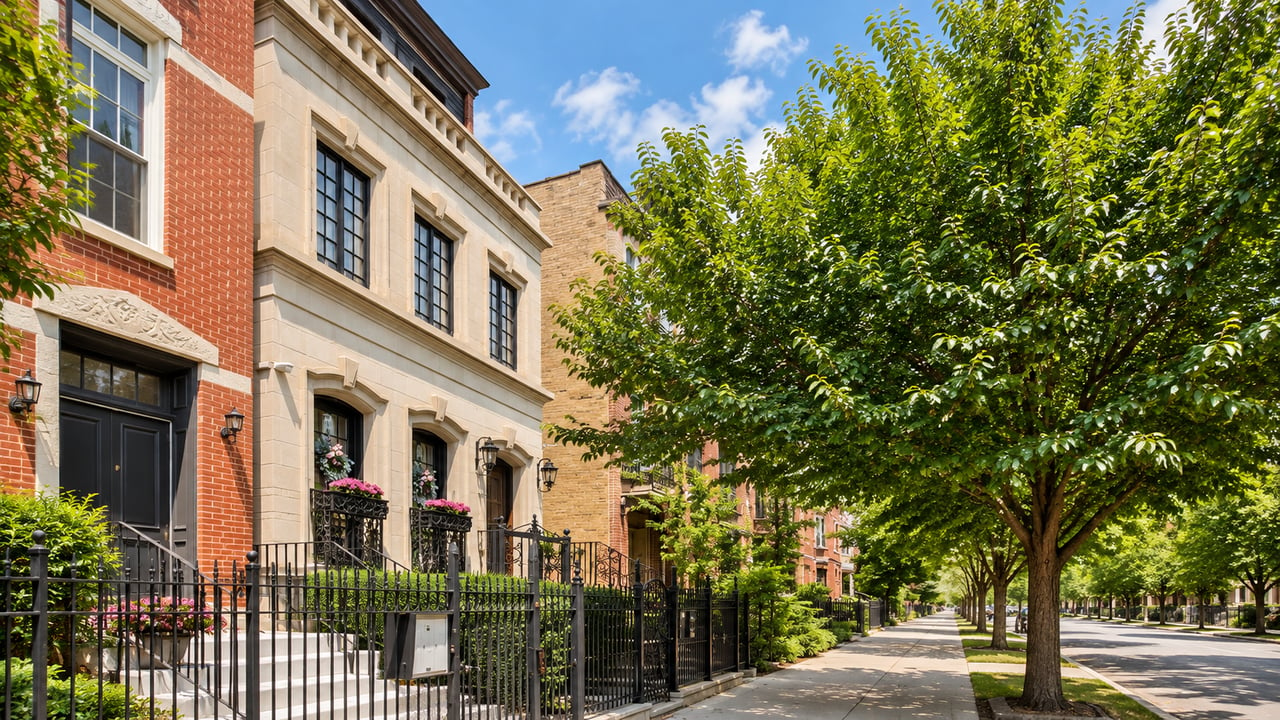
In Bucktown, they remain highly relevant. Typical features include brick or stone facades, bay windows, side entries, porches, and decorative cornices. They can appeal to buyers looking for a condo, a multi-unit setup, or a property with enduring architectural character.
Converted lofts
Loft-style homes generally come from reused industrial buildings. The Chicago Architecture Center’s adaptive reuse examples show the defining features buyers usually associate with loft living: exposed brick, timber joists, large windows, and tall open volumes.
If you are considering a loft, the appeal is often less about traditional room count and more about light, scale, and industrial texture. That can be a strong fit if you value openness and design character over a more conventional layout.
New Construction vs Vintage: The Real Tradeoffs
The decision is rarely about which category is better overall. It is more about which tradeoffs fit your priorities, budget, and tolerance for future work.
Energy Efficiency and Comfort
New construction usually has the edge on efficiency. According to ENERGY STAR’s new homes overview, certified new homes are at least 10% more efficient than homes built to minimum code, and studies cited there show possible sales-price premiums of up to 8% for ENERGY STAR-certified and similarly efficient homes.
That advantage matters in Chicago, where heating and cooling costs affect year-round comfort. Illinois also states that the 2024 Illinois Energy Conservation Code became effective on 11/30/25, while Chicago’s New Energy Transformation Code took effect for new and renovated properties on January 1, 2023.
Vintage homes can still perform well, but the path is usually different. The U.S. Department of Energy advises evaluating insulation and air sealing in older homes, and ENERGY STAR says sealing air leaks and adding insulation can cut annual energy bills by up to 10%.
What this means for you
If utility efficiency and predictable comfort are top priorities, new construction may feel easier. If you love a vintage property, it is smart to budget for improvements that may help it perform more like a newer home.
Maintenance and Hidden Costs
Vintage homes often ask more from buyers after closing. That does not mean they are poor choices, but it does mean you should evaluate more than finishes and staging.
Older homes may have seen additions, conversions, or repairs over time. The Workers Cottage Initiative notes that cottages were often raised, expanded, or converted as needs changed, which makes inspection quality especially important.
Systems worth reviewing carefully
With vintage homes, you will usually want a close look at:
- Roofing condition
- Windows and insulation
- Electrical service and wiring
- Plumbing updates
- Drainage and basement moisture
- Quality of prior additions or renovations
New construction usually reduces the chance of immediate surprise costs, at least in the near term. For many buyers, that peace of mind is part of the premium.
Floor Plans and Daily Living
This is where lifestyle often decides the outcome. New construction tends to support contemporary living patterns, while vintage homes often preserve room divisions that reflect older design norms.
A newer home may give you a wide kitchen-family room setup, larger closets, and a more spacious primary suite. A workers cottage may feel more intimate and segmented. A loft may feel dramatic and airy, but less conventional. A two-flat may offer flexibility that a single-family home does not.
Questions to ask yourself
Before choosing between new and vintage, think through your daily routine:
- Do you want a move-in-ready home with minimal day-one projects?
- Do you prefer historic detail and are you comfortable with quirks?
- Do you need open entertaining space?
- How important is storage?
- Do you want detached living, condo living, or a multi-unit format?
- How much renovation tolerance do you realistically have?
Parking and Practical Function
In Bucktown, practical function matters just as much as style. Newer homes often incorporate attached or tucked-under parking and layouts designed around current expectations.
Vintage homes may offer a different experience depending on the lot, building type, and prior updates. If parking, entry flow, basement usability, or storage are important to you, those details deserve as much attention as finishes.
Resale and Long-Term Value
Bucktown’s market data suggests that buyers continue to respond to both categories. The same Redfin market snapshot showing a 100.2% sale-to-list ratio and 41.2% of homes selling above list points to steady demand.
Scarcity also plays a role. The Chicago Architecture Center notes that two-flats are no longer being built by developers, and workers cottages are part of a finite historic housing stock. That rarity can support value for well-maintained vintage homes, while newer homes may compete strongly on efficiency, layout, and lower short-term maintenance.
Which Bucktown Home Type Fits You?
There is no one-size-fits-all answer, but a few patterns tend to emerge.
New construction may fit best if you want:
- Turn-key living
- Contemporary finishes
- Better energy performance
- Fewer immediate repairs
- More open floor plans
A workers cottage may fit best if you want:
- A smaller detached home
- Historic feel and established character
- A property with renovation upside
- A more distinct, less standardized layout
A two-flat, three-flat, or brick walk-up may fit best if you want:
- Classic Chicago masonry character
- A condo or multi-unit format
- Architectural details like bay windows and cornices
- Flexibility in how the property functions
A loft may fit best if you want:
- Tall ceilings and large windows
- Open volume and industrial details
- A more design-forward living environment
- Less emphasis on a traditional room-by-room floor plan
How to Decide With Confidence
In Bucktown, the best choice usually comes down to a simple question: do you want convenience now, character over time, or some combination of both? New construction tends to simplify the first few years of ownership. Vintage homes often reward buyers who value architecture, texture, and the idea that a home can evolve.
If you are weighing specific options in Bucktown, the most helpful next step is to compare them through the lens of inspection risk, future costs, floor plan fit, and resale appeal, not just finishes. A polished new build and a beautifully preserved vintage home can both be excellent purchases when they match your priorities.
If you want help evaluating Bucktown homes with a clear, data-driven perspective, connect with IKGroup. Their concierge-style guidance can help you compare new construction, vintage homes, and off-market opportunities with more confidence.
FAQs
What is the main difference between Bucktown new construction and vintage homes?
- New construction usually offers more open layouts, newer systems, and lower near-term maintenance, while vintage homes often offer more architectural character, older layouts, and a greater need for careful inspection.
Are vintage homes in Bucktown more expensive to maintain?
- They can be, especially if insulation, roofing, plumbing, electrical, windows, or drainage need updating.
What types of vintage homes are common in Bucktown?
- Common vintage property types in Bucktown include workers cottages, brick walk-ups, two-flats, three-flats, and some converted loft spaces.
Is new construction in Bucktown more energy efficient?
- In general, yes. New homes typically benefit from current code compliance and may perform better on insulation, air sealing, and overall energy use.
Do Bucktown vintage homes hold value well?
- They can, especially when they are well maintained and thoughtfully updated, because historic housing types like workers cottages and two-flats are limited in supply.
How do I choose the right Bucktown home type for my lifestyle?
- Focus on how you live day to day, including your renovation tolerance, desired layout, maintenance expectations, storage needs, and whether you value turn-key convenience or historic character more.