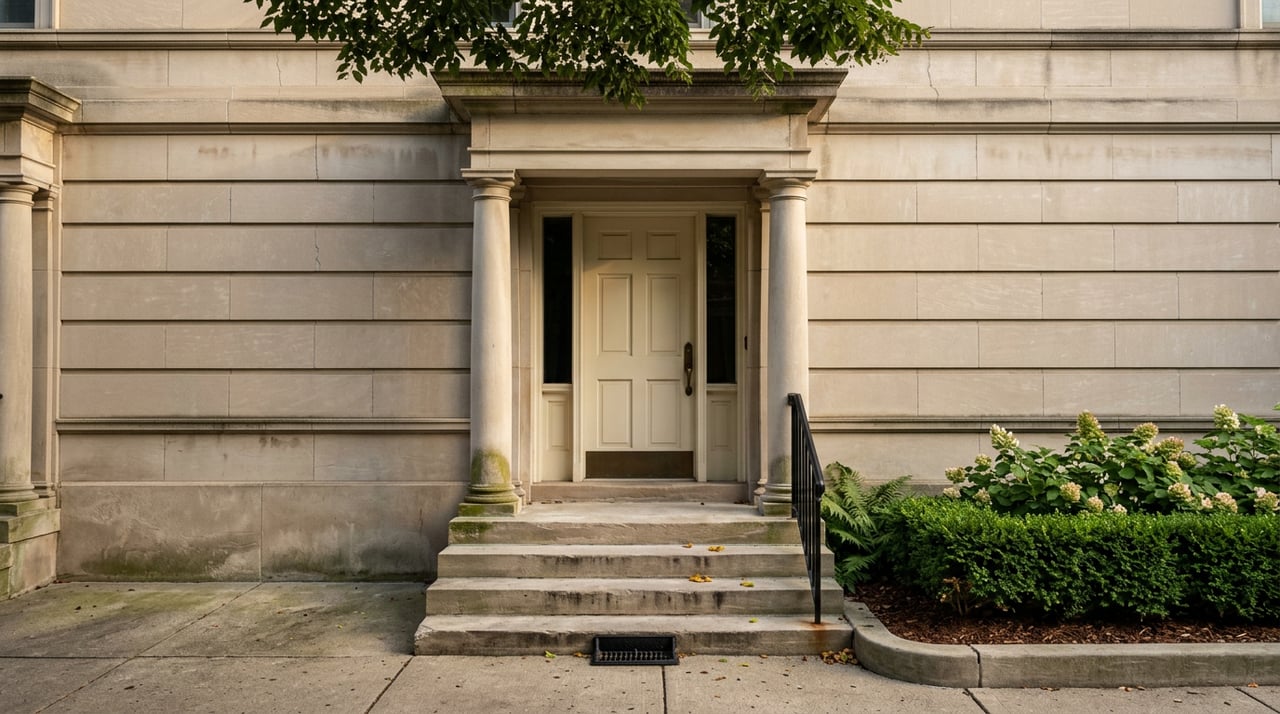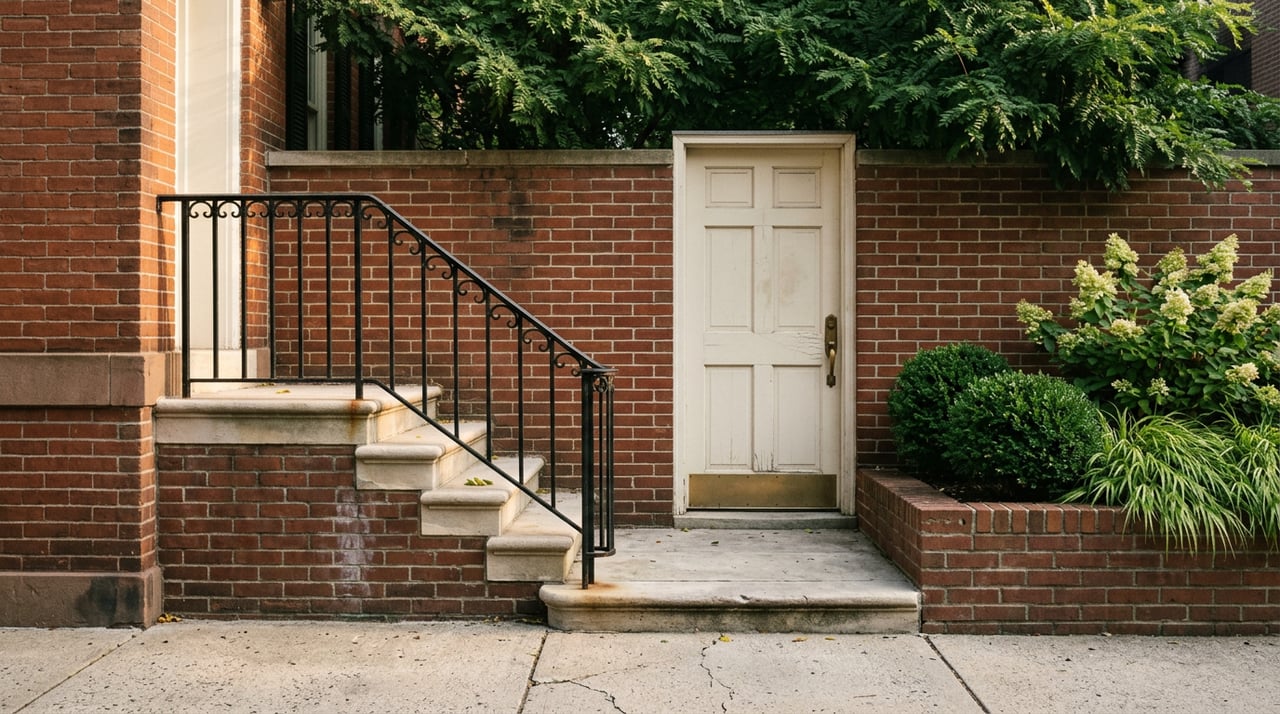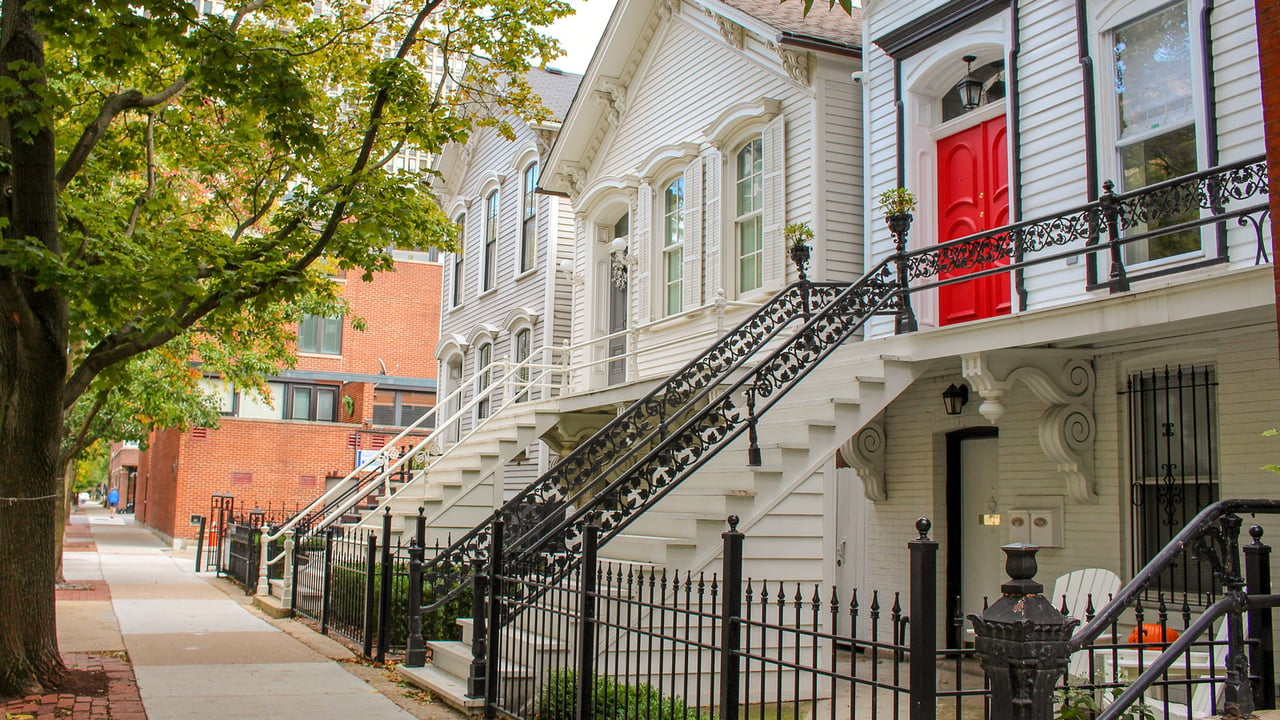
Walk a few blocks through Bucktown, and you will see a handful of new construction homes with the newest designer finishes and price tags that have climbed well past $2 million. What is remarkable is how far those prices have drifted from the resale market sitting right next door - and how buyers, despite their hesitation, keep signing contracts anyway.
The math is becoming harder to ignore. A buyer tours a brand-new home on, say, the 1800 block of North Paulina, asking $2.6 million. Down the street, a well-maintained resale — same square footage, similar finishes after a few updates — is listed at $1.9 million. The gap used to be the price of “new.” Increasingly, buyers are asking whether it still is.
The pressure starts before a single wall goes up. Developers are overbidding each other for the same teardown lots, pushing acquisition prices $50,000 to $100,000 above where they were trading a year ago. Layer on construction costs that remain stubbornly elevated — labor, materials, financing, carrying costs on longer timelines — and the math leaves developers with one lever to pull: the asking price.
Consider a typical deal: a developer wins a teardown at $900,000 after a bidding war — the same lot might have gone for $800,000 a year ago. Construction runs another $1.3M ($1.1 a year ago). Before financing costs and profit margins are factored in, the developer is already $2.2 million in the hole. The home lists at $2.5 million or above. Two doors down, a 5-to-10-year-old house with the same footprint is trading at $1.9 million. The difference isn’t random. It’s just a basic calculation based on what happened on day one.
Demand for new construction hasn’t collapsed — far from it. For now, developers in Bucktown are mostly getting their numbers. Inventory is thin enough, and demand is strong enough, that well-designed homes in the right locations are closing at or near asking price. The pricing is not wishful thinking — it is supply and demand doing what supply and demand does. That does not mean buyers are happy about it. It means they are choosing between limited options and deciding that new construction, even at a premium, beats the alternative.
For buyers, the question is not whether to pursue new construction but whether a specific home’s premium is earned or inflated. The premium often originates at the land level — it is baked into the deal before the foundation is poured. In a market with limited inventory, that premium has staying power. Some homes are priced where the numbers genuinely support it. Others are riding the neighborhood’s momentum.
The gap between what the market will support and what some developers are asking is not always visible from the listing sheet. It shows up in days on market, in price cuts, and in the deals that quietly fall apart before they close. In Bucktown, those signals are worth watching closely.
If you want to know which homes are worth the premium — and which ones aren’t — reach out. I’ll help you break it down.