Picture your morning starting with a quiet jog above the city, then a smooth glide back home for coffee and a quick walk to the farmers market. If you are eyeing Wicker Park, living near the 606 makes that flow feel easy and repeatable. You get a direct link to cafés, boutiques, parks, and an elevated greenway for daily exercise. In this guide, you will see how day-to-day life works near the trail, what homes look like, and the practical tradeoffs to weigh. Let’s dive in.
What the 606 is
The Bloomingdale Trail, known as the 606, is a 2.7-mile elevated park and greenway built on a former rail line. It connects Humboldt Park, Logan Square, Bucktown, and Wicker Park, and it is open daily within posted park hours. You can learn about its history, features, and hours on the official site for the Bloomingdale Trail. Explore the 606’s overview.
Designed as a neighborhood connector, the 606 includes about a dozen ADA-accessible ramps placed roughly every quarter mile. That spacing matters because you can hop on and off the trail from many local streets. If you want to plan your nearest ramp and access points, use the trail’s visit page. See access points and tips.
Morning routines near the trail
Wicker Park’s café culture sits a short walk from many 606 access points. Local independents and specialty coffee spots create easy jump-off points for runs and dog walks. A neighborhood favorite, The Wormhole Coffee on Milwaukee Avenue, has been part of the scene for years. Preview The Wormhole Coffee.
Some businesses now face the trail itself, making mid-run or mid-errand stops simple. New trail-adjacent cafés and markets have opened to serve both neighbors and trail users. That setup makes it easy to grab a drink or a snack without leaving your route. Read about trail-facing cafés.
Midday shops and local browsing
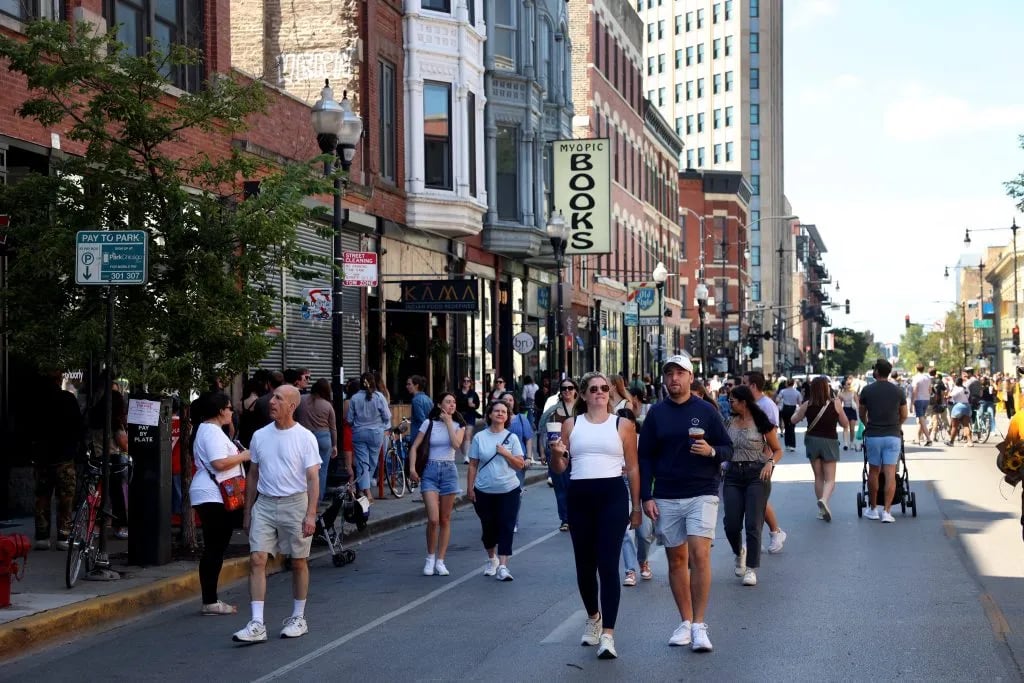
Milwaukee Avenue, plus Division and North, holds the retail spine for daily errands and weekend browsing. You will find independent boutiques, used-book and vinyl shops, design stores, and fitness studios. The mix of long-running independents and newer brand shops creates a walkable rhythm where short errands easily stretch into a stroll. Community calendars and newsletters often highlight pop-ups and seasonal happenings along these corridors.
Parks, markets, and weekend rhythms
Wicker Park, the namesake park at Damen and Wicker Park Avenue, is compact and active. It has a fieldhouse, playground, community gardens, and a dog-friendly area. The park also hosts a popular Sunday farmers market and seasonal programs that many neighbors attend. Check park amenities and programming.
Together, Wicker Park and the 606 create two easy scripts for weekends. You might start with an early run on the elevated path, grab coffee, browse a boutique, then swing by the farmers market. Or you can plan a family afternoon with playtime in the park, followed by a sunset walk along the trail. The blend of programmed and informal options keeps weekends flexible.
Homes near the 606
Historic Victorians and landmark streets
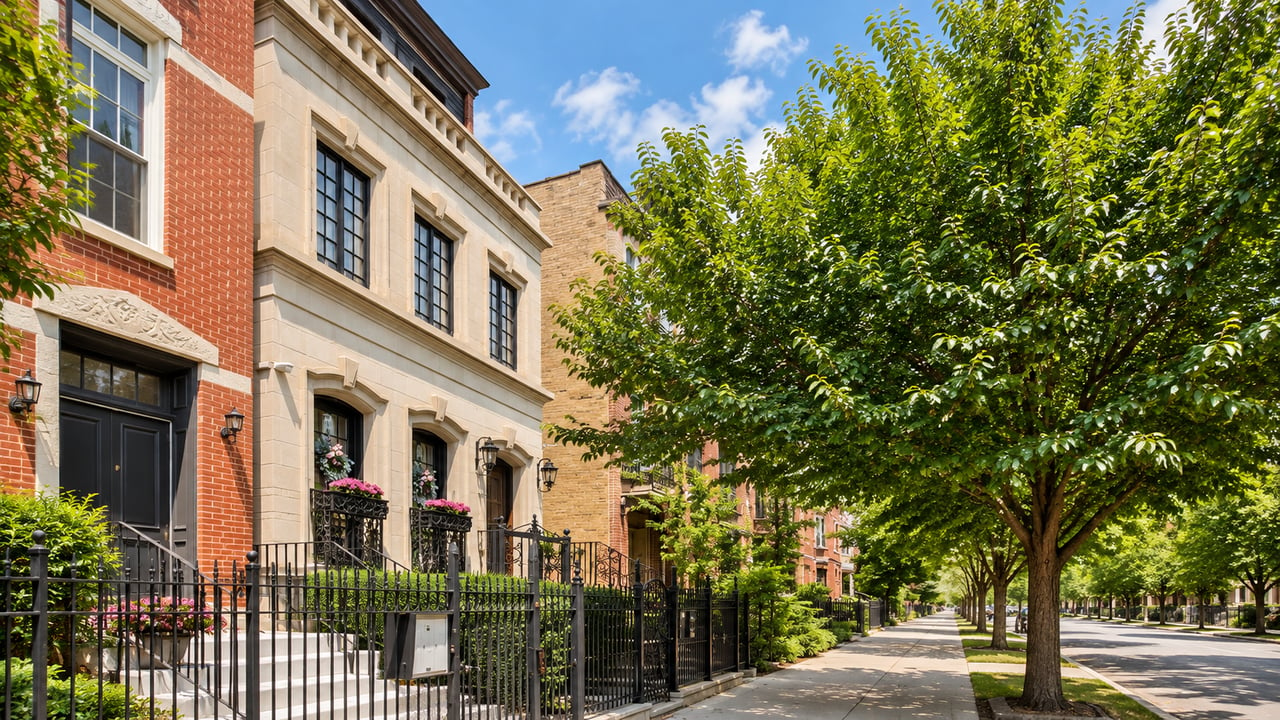
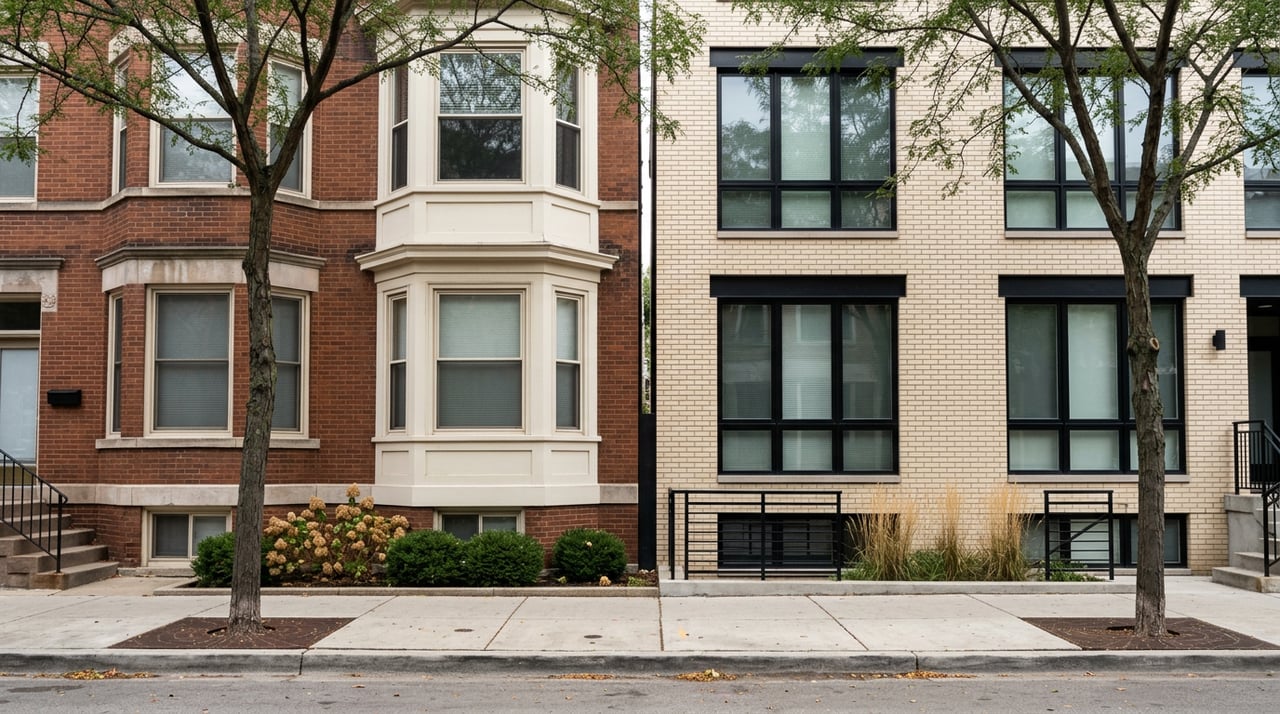
Much of Wicker Park sits within a designated Chicago Landmark district. Around the park and nearby streets, you will see Victorian-era houses with Queen Anne and Italianate details, as well as late-19th and early-20th-century masonry homes. If you love architectural character and restored facades, these blocks will catch your eye. Landmark status can affect exterior changes, so it is smart to learn the basics. Review the Wicker Park landmark district.
Modern infill, lofts, and rooftop living
Along commercial corridors and on deeper lots, you will find modern townhomes, condominiums, and loft conversions. Newer units often feature contemporary interiors, open layouts, and rooftop decks. Many buildings offer private outdoor space and parking or storage, which supports a car-light lifestyle near the trail.
Key tradeoffs to weigh
Historic homes deliver distinctive architecture and presence, but maintenance and updates can be larger projects. Landmark review can also limit or shape exterior changes. Modern homes tend to be more turnkey, with features like rooftop decks and integrated parking, though they also shape local pricing and the neighborhood’s look.
Getting around and daily mobility
For transit, the easiest rail connections are the CTA Blue Line stops at Damen and Western. Many residents use the Blue Line for downtown commutes and transfers to other lines. The trail’s role as an active transportation corridor makes biking and walking part of daily routines. See how the 606 supports active travel.
You will see walkers, runners, cyclists, scooters, and families using the 606 throughout the day. Divvy and other bike-share stations, plus street bike racks, help you pair a quick ride with transit. The trail does not have dedicated parking lots. Street and metered parking in the surrounding neighborhoods are the norm. Confirm parking and trail details.
Practical details to know
Public restrooms are limited along the trail. Facilities at ground-level parks and the Wicker Park fieldhouse can help, but hours vary. If you plan longer outings with kids, check schedules in advance. Review park hours and amenities.
Near the Damen, Milwaukee, and Division hub, expect more nightlife and weekend activity. Quieter, tree-lined blocks sit a few minutes away, so choosing your street can balance energy and calm. On sunny summer days, some trail sections have limited shade, so midday heat can feel intense. See a trail overview with map context.
Buyer checklist near the 606
- Map the nearest 606 ramp and estimate your walk time from the address. Plan access points.
- Ask if the home sits within the Wicker Park Landmark District and learn how that may affect exterior changes. Check landmark details.
- Visit at multiple times, such as a weekday morning and a weekend evening, to understand lighting, foot traffic, and ambient noise.
- If park time and markets matter to you, confirm fieldhouse hours and the farmers market schedule. Review park facilities.
- For newer condos or townhomes, note whether rooftop decks or balconies face the trail. Consider views, privacy, and potential crowd noise.
- If parking is important, verify assigned spaces, permit needs, and on-street rules. Many residents choose a car-light lifestyle, but not all go car-free. Read about trail access and connections.
Long-term benefits and local context
Living near the 606 gives you daily access to a green corridor, public art, and quick links to shops and cafés. It also helps tie together neighborhoods that once felt more separated. At the same time, local reporting has tied the trail’s rise to increased development pressure and policy responses intended to moderate displacement and preserve housing stock. To understand that context, read coverage from neighborhood reporters. See local reporting on policy debates.
How to choose the right block
Start with your daily routine. If you want cafés and nightlife right outside your door, look near the Damen and Milwaukee corridors. If you prefer quieter evenings, focus on tree-lined residential streets a few minutes from the ramps. Always walk the block at different times to check light, activity, and street parking. When in doubt, a second visit at dusk often reveals what daytime does not.
Ready to see which Wicker Park streets fit your lifestyle near the 606? You can schedule a private, curated tour that balances architecture, access, and daily rhythm. For tailored guidance and access to on and off-market options, connect with IKGroup for a private consultation and home valuation.
FAQs
Is the 606 open and lit at night in Wicker Park?
- The 606 operates within posted park hours and is used day and evening; lighting and activity vary by block, so visit at night to gauge comfort. Review hours and details.
Are there kid-friendly parks near the 606 in Wicker Park?
- Yes. Wicker Park has a playground, seasonal water feature, and community programming, and the 606 connects to several ground-level parks. See park amenities.
How does the 606 affect property values and development?
- Local reporting links the trail to rising values and policy efforts to slow demolition and preserve housing; it is an evolving discussion. Read neighborhood reporting.
Where do you park to access the 606 near Wicker Park?
- There are no dedicated trail lots; street and metered parking in nearby neighborhoods are typical, and many residents opt for car-light living. Confirm access details.
Which CTA stops serve Wicker Park near the 606?
- The Blue Line at Damen and Western are popular access points for residents who commute downtown or connect to other lines. See how transit links to the 606.