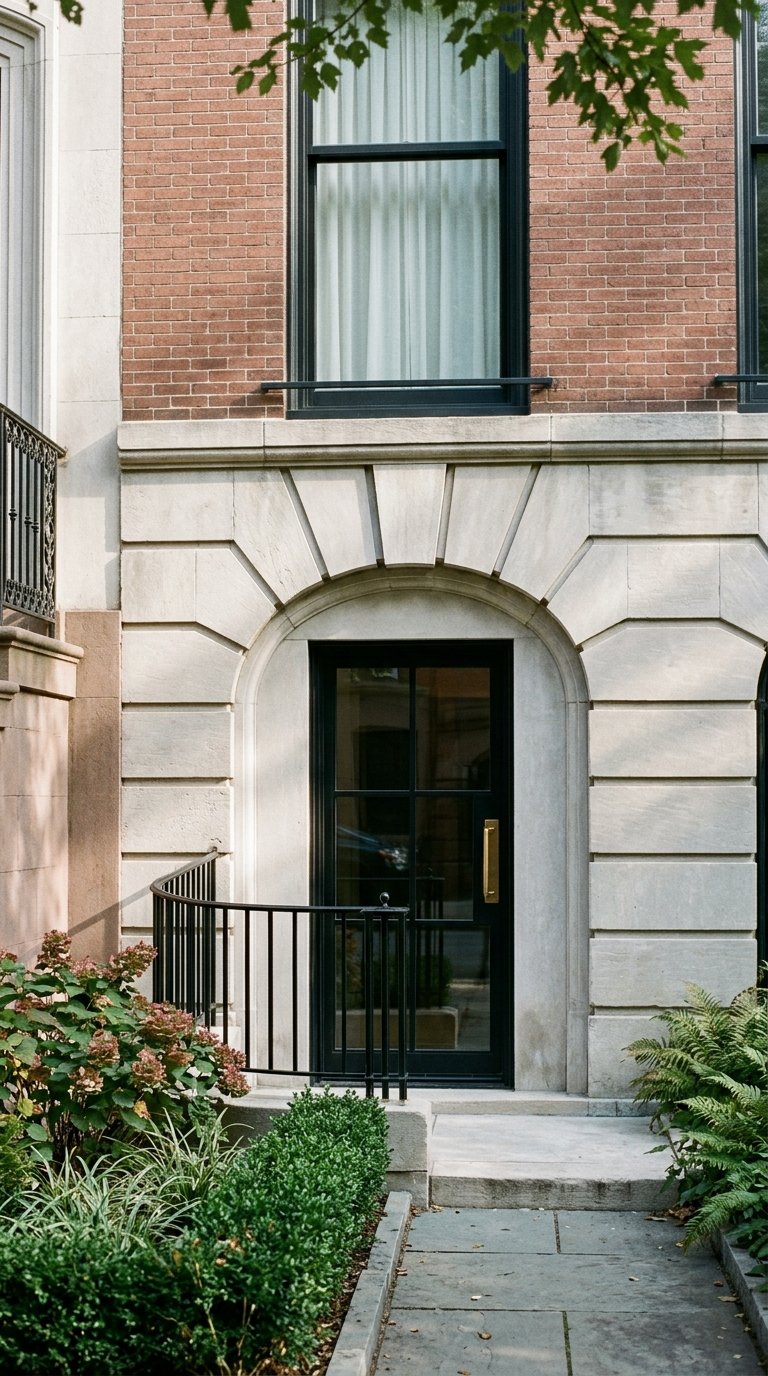
Thinking about buying in East Village? One of the smartest things you can do before touring homes is learn how to read the neighborhood’s architecture. In a place where vintage cottages, brick walk-ups, greystones, and newer condo buildings can sit within a few blocks of each other, understanding the basics helps you spot character, ask better questions, and make a more confident decision. Let’s dive in.
Why East Village Architecture Matters
East Village is not defined by one single look. The City of Chicago’s East Village District is a designated Chicago Landmark district known for its 19th-century working-class housing, including small-scale cottages and small flat buildings that still shape the area’s streetscape today.
That matters when you start your home search. Instead of expecting one dominant architectural style, you are more likely to find a layered mix of historic housing and later low-rise infill. For buyers, that means the value is often in understanding the building type, the exterior details, and the upkeep each property may require.
East Village’s Historic Housing Base
The historic core of East Village reflects Chicago’s long tradition of compact, low-rise urban housing. The landmark district is recognized for its craftsmanship and neighborhood-scale character, with buildings that were originally tied to the area’s immigrant history.
As you walk the neighborhood, you may notice that many homes feel practical rather than showy. That is part of the appeal. East Village architecture often rewards a closer look, with modest facades, thoughtful masonry, and details that feel distinctly Chicago.
Chicago Two-Flats and Three-Flats
If you are buying in East Village, you should know Chicago’s two-flat and three-flat building types. According to the Chicago Architecture Center, these buildings make up about a quarter of Chicago’s housing stock, and most were built between 1900 and 1918.
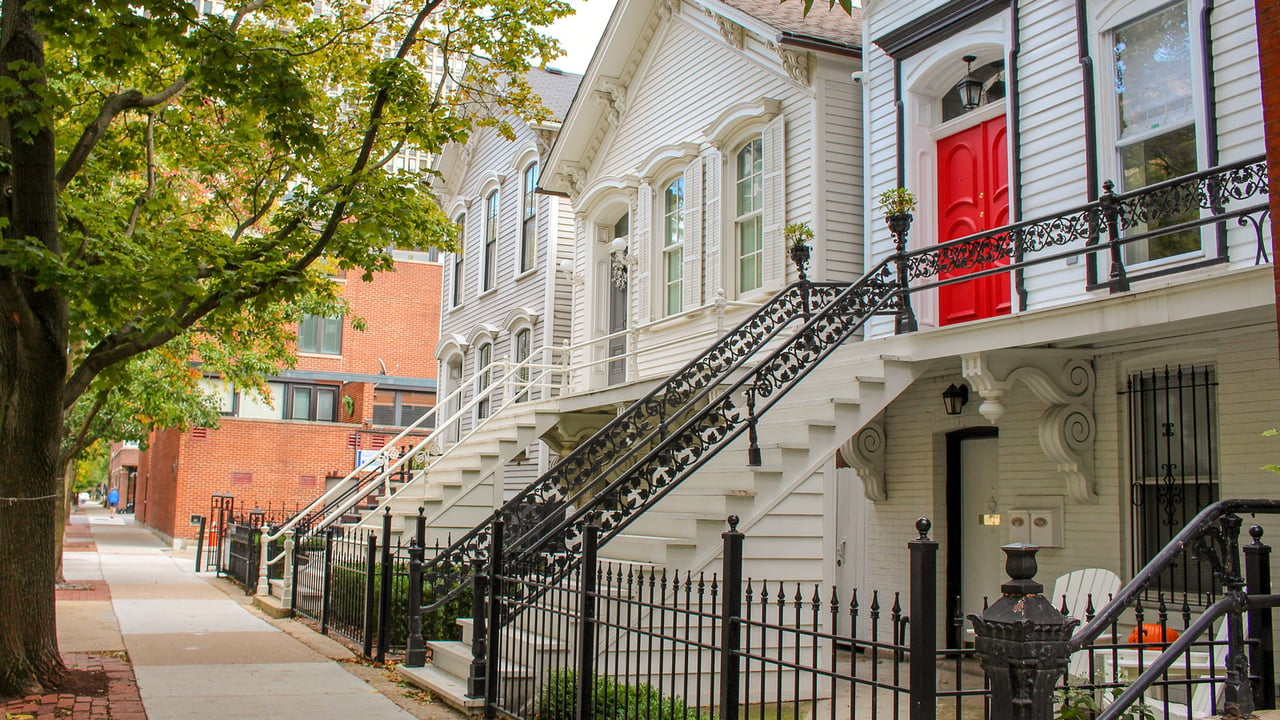
A classic example usually includes one unit per floor, bay windows, a side-entry porch, and a decorative cornice. Many are built in brick or stone, sit on narrow city lots, and include a small front yard with a gangway along the side.
What Buyers Should Notice
These homes often feel efficient and urban in the best way. You are not always buying a dramatic facade. You are often buying smart use of space, original character, and a building type that has defined Chicago living for generations.
When you tour a two-flat or three-flat, pay attention to:
- Bay windows
- Side-entry porches
- Decorative cornices
- Brick or stone exterior materials
- Narrow side yards or gangways
- Stair access and overall layout flow
What Walk-Up Really Means
You will also hear the term walk-up in Chicago. In simple terms, that means a building with several floors and no elevator.
That sounds basic, but it affects daily life. If you are considering an upper-floor unit, think about groceries, moving furniture, guests, and how often you want to deal with stairs.
Greystones: Character With Responsibility
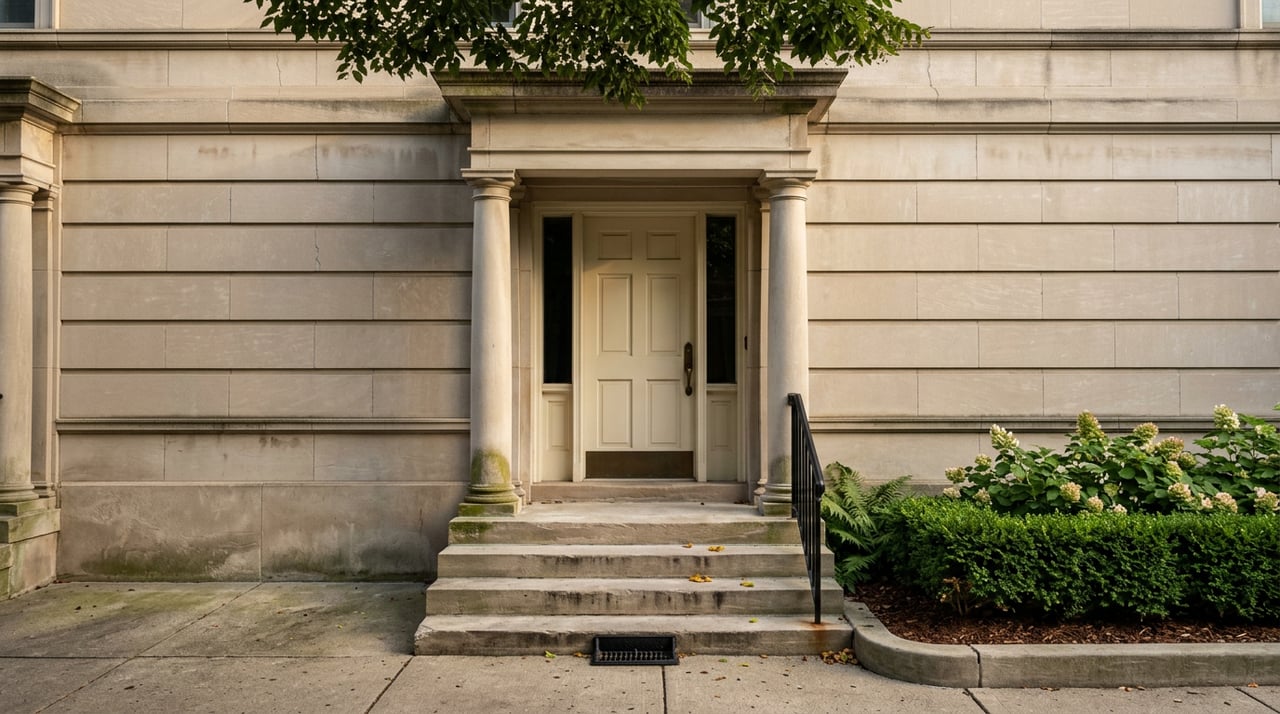
Greystones are one of the most recognizable Chicago housing types, but they are often misunderstood. A greystone is not one single architectural style. It is a masonry building with a Bedford limestone facade, and these homes were popular in Chicago from about 1890 to 1930.
That means one greystone may include details that feel Romanesque Revival, while another may lean more Classical Revival or Queen Anne. The shared thread is the limestone-faced masonry construction, not a single decorative language.
Why Greystones Stand Out
For many buyers, greystones deliver the kind of curb appeal that makes a listing memorable. The stone facade, solid presence, and layered architectural details can create a strong first impression.
But beauty comes with responsibility. Landmarks Illinois emphasizes that masonry, roofs, windows, porches, and mechanical systems all need ongoing care, which makes maintenance a major part of owning or buying this kind of property.
What to Inspect Closely
If you are serious about a greystone or another older masonry building, look beyond paint colors and kitchen finishes. The condition of the exterior envelope often tells you more about the property’s long-term health than cosmetic updates do.
Focus your attention on:
- Exterior masonry condition
- Roof condition
- Porch stability and wear
- Window condition
- Signs of water intrusion
- Evidence of deferred maintenance
Newer Townhomes and Boutique Condos
Not every East Village home comes from the same era. Alongside historic housing, you may also see newer townhome-style properties and boutique condo buildings that read as more contemporary infill.
This newer layer fits into a broader Chicago housing story. After the 1963 Illinois Condominium Property Act, condo ownership expanded, and condo construction gained momentum in the 1970s as many rental buildings converted to condominiums.
How Condo Ownership Works
When you buy a condo in Chicago, you typically own your individual unit and share ownership of common areas with other owners. That structure also means a condo board may govern building rules and aspects of the property’s appearance.
For buyers, this is about more than legal form. It affects monthly costs, decision-making, shared maintenance, and what changes you can make to your home or common building elements.
Why Newer Buildings Look Different
Some newer East Village buildings may feel noticeably different from the neighborhood’s vintage stock. That is not unusual. Chicago continues to see middle-density infill ideas that rethink rowhouses, flats, and condo buildings for modern living, often with updated layouts and a stronger focus on light and air.
If you are comparing vintage and newer options, it helps to think in terms of tradeoffs. A newer building may offer a more modern floor plan or newer systems, while an older building may offer more historic detail and architectural texture.
The East Village Details to Learn
One of the easiest ways to shop smarter is to build your own visual vocabulary. In East Village, certain exterior features show up again and again, and learning to spot them can help you understand what you are looking at before you even step inside.
The most useful details to know include:
- Bay windows
- Side-entry porches
- Decorative cornices
- Limestone facades
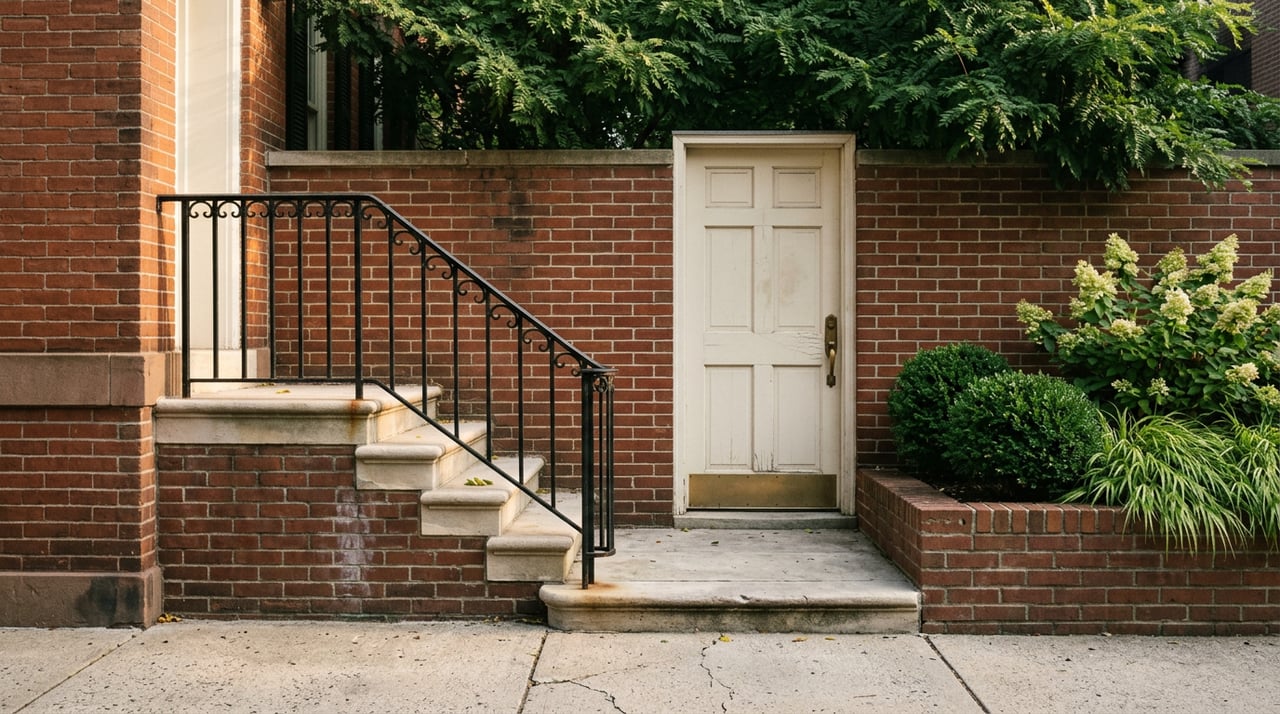
- Brick facades
- Narrow lots
- Gangways
These features help give East Village its Chicago-specific identity. They also offer clues about age, layout, upkeep needs, and how a property fits into the block around it.
Landmark District Rules to Know
If the property you are considering is within the East Village District, exterior work may involve more oversight than you expect. The City of Chicago explains that, in landmark districts, significant features are typically the exterior elevations visible from the public right-of-way, and permit applications for work affecting those features are reviewed by the Commission on Chicago Landmarks.
That does not mean every repair becomes a major process. Routine maintenance such as painting and minor repairs does not require a building permit, but visible exterior alterations may be reviewed.
Why This Matters Before You Buy
This is especially important if you are drawn to projects or plan to personalize a home quickly. Before you assume you can replace windows, alter a porch, or change a facade detail, it is worth understanding whether the building falls within the landmark district and how that may affect your plans.
For the right buyer, landmark context can be part of the appeal because it helps preserve the look of the streetscape. Still, it is best to go in with a clear picture of what ownership may involve.
How to Compare East Village Homes
When you tour homes in East Village, try to compare them on more than finish level alone. Two homes with similar square footage can offer very different ownership experiences depending on whether you are looking at a walk-up condo, a greystone, or a vintage two-flat conversion.
A simple checklist can help you stay grounded:
- What building type is this?
- Is it vintage or newer infill?
- Is it a walk-up?
- Is it a condo with shared governance?
- What exterior materials need ongoing care?
- Is the property in the East Village Landmark District?
- Do the layout and stairs fit your daily routine?
The more clearly you can answer those questions, the easier it becomes to match a property to your lifestyle and risk tolerance.
Buying With More Confidence
East Village rewards buyers who pay attention. The neighborhood’s appeal is not just about one architectural style. It is about the combination of historic cottages, flats, greystones, and newer low-rise housing that creates a layered, distinctly Chicago streetscape.
If you understand the difference between a greystone and a style, a condo and a building type, or a walk-up and an elevator building, you are already in a stronger position. You can ask sharper questions, evaluate condition more clearly, and choose a home that fits both your taste and your practical needs.
If you are considering a purchase in East Village and want a tailored, high-touch approach to evaluating building types, condo structures, and neighborhood fit, connect with IKGroup for a private consultation.
FAQs
What architectural styles should buyers expect in East Village?
- Buyers in East Village should expect a mix of historic cottages, small flat buildings, vintage two-flats and three-flats, greystones, and newer low-rise condo or townhome-style infill rather than one single dominant style.
What does walk-up mean in an East Village condo building?
- In East Village, a walk-up means a building with several floors and no elevator, so buyers should factor stairs into daily living and move-in logistics.
Is a greystone an architectural style in Chicago?
- No. In Chicago, a greystone is a masonry building with a Bedford limestone facade, and it can include details from several architectural traditions.
What should buyers inspect first in an older East Village home?
- Buyers should closely inspect exterior masonry, roof condition, porch integrity, windows, and any signs of water intrusion or deferred maintenance.
How do landmark district rules affect East Village homes?
- If a home is in the East Village District, visible exterior changes may be reviewed by the Commission on Chicago Landmarks, while routine maintenance and minor repairs generally do not require a building permit.
Why do some East Village homes look newer than others?
- Some East Village properties look newer because the neighborhood includes later low-rise infill, including townhome-style and boutique condo buildings designed for more modern living.