Walkability has always been desirable, but in today’s market it has become a true differentiator. Buyers are no longer evaluating homes only by size, finishes, or school districts. They are evaluating quality of life — and they are placing a premium on neighborhoods where daily life is easier, more efficient, and more connected.
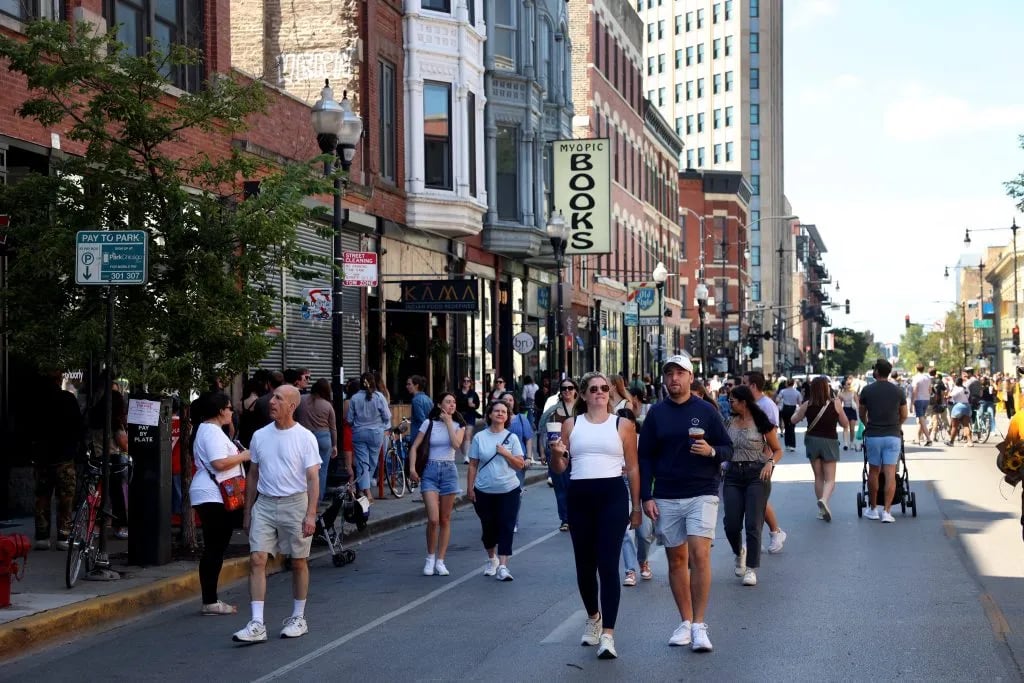
Here in Chicago, you see this play out in real time in places like West Town, Bucktown, and Lincoln Park — neighborhoods where you can grab coffee, hit a workout class, pop into a grocery store, and meet a friend for dinner without turning your day into a driving schedule.
For sellers, walkability strengthens demand and protects long-term value. For buyers, it offers both immediate lifestyle advantages and measurable financial resilience.
Here is why walkability continues to outperform, and why it matters more today than ever before.
1. Walkable Neighborhoods Hold Their Value in Every Market Cycle
Historically, walkable communities experience smaller declines during market softening and faster recoveries when conditions improve. The reason is simple: demand remains consistent.
In West Town, that “value insulation” is tied to micro-location. Properties near Chicago Ave, Grand Ave, Division, and pockets with easy access to the Blue Line tend to hold buyer attention even when the broader market slows. In Bucktown, that same pull shows up around Damen/Milwaukee/North and the surrounding residential blocks that still feel calm but stay connected. And in Lincoln Park, walkability isn’t a “nice-to-have” — it’s basically the brand.
Walkability acts as a form of value insulation because buyers view it as a non-negotiable feature. Trends shift, design evolves, and preferences change — but access to restaurants, transit, parks, and everyday conveniences remains universally desirable.
2. Quality of Life Drives Buyer Behavior
Walkability is no longer about eliminating a car; it is about eliminating friction.
Buyers want neighborhoods where the basics don’t take planning. In West Town, that often means being able to walk to coffee, restaurants, and quick errands along Chicago or Division, and still be home in five minutes. In Bucktown, it’s the mix of neighborhood businesses plus easy access to the 606 and quick transit options. In Lincoln Park, it’s the convenience of having everything close — parks, shopping, dining, lake access — with a more polished, established feel.
When buyers consider neighborhoods today, they look for:
-
café access
-
grocery proximity
-
restaurants and small businesses
-
transit options
-
medical and wellness services
-
parks and green space
This proximity creates a lifestyle where daily logistics take less time and less effort — a meaningful advantage for professionals, families, and anyone balancing demanding schedules.
3. Walkability Reduces Ownership Costs in Subtle but Important Ways
Reduced reliance on cars and shorter commute times translate into lower ongoing expenses. These include:
-
fuel
-
parking
-
maintenance
-
insurance
-
depreciation
In highly walkable areas, many households transition to one car or none, redirecting savings into home improvements, investments, or increased purchasing power.
For buyers, this can make a more desirable home financially accessible.
For sellers, it expands the potential buyer pool.
4. Walkable Neighborhoods Attract Long-Term Residents
High-turnover neighborhoods struggle to build identity and stability. Walkable neighborhoods, however, cultivate long-term residency. The result:
-
stronger demand
-
lower vacancy rates
-
more stable values
-
healthier local businesses
West Town and Bucktown have that “regulars” energy — people return to the same coffee spots, the same restaurants, the same stretches of streets. Lincoln Park has a different flavor (more established, more legacy ownership), but the same principle holds: connection drives staying power.
Buyers feel connected to these communities, and that connection supports consistent appreciation over time.
5. Remote and Hybrid Work Has Elevated Walkability’s Importance
With fewer people commuting five days a week, the home’s immediate surroundings matter more. Buyers want neighborhoods that offer convenience and engagement within blocks, not miles.
That’s why we see buyers comparing “nice home, less connected area” vs. “slightly smaller home, better location” — and choosing location more often than they used to. If you work from home even two days a week, being able to step out for a coffee, a walk, or a quick lunch becomes part of your daily rhythm.
This shift reshaped buyer priorities and placed walkability near the top of the list — often ranking above square footage, finishes, or even outdoor space.
6. Walkability Supports Stronger Resale Outcomes
Homes in walkable locations benefit from:
-
larger buyer pools
-
shorter market times
-
fewer price reductions
-
stronger offer terms
-
improved appraisal performance
In practice, I see this most in the “micro-neighborhood effect.” In West Town, Bucktown, and Lincoln Park, two homes can be priced similarly — but the one that’s closer to the action (and still on a great block) often sells faster and cleaner, with less negotiation drama.
Walkability gives sellers negotiating leverage. When demand exceeds supply at the micro-neighborhood level, final sale prices reflect that advantage.
The Bottom Line
Walkability continues to outperform because it offers something buyers value across every generation and every market condition: a higher quality of life with stronger long-term financial stability.
For buyers, it means choosing a neighborhood that enhances both daily living and long-term investment potential.
For sellers, it means positioning a property within one of the most consistently desirable market categories available.
Whether you’re just curious or ready to dive in, I’d love to help you navigate the process with confidence. Call/text me at 773-865-5661 or email me at [email protected]