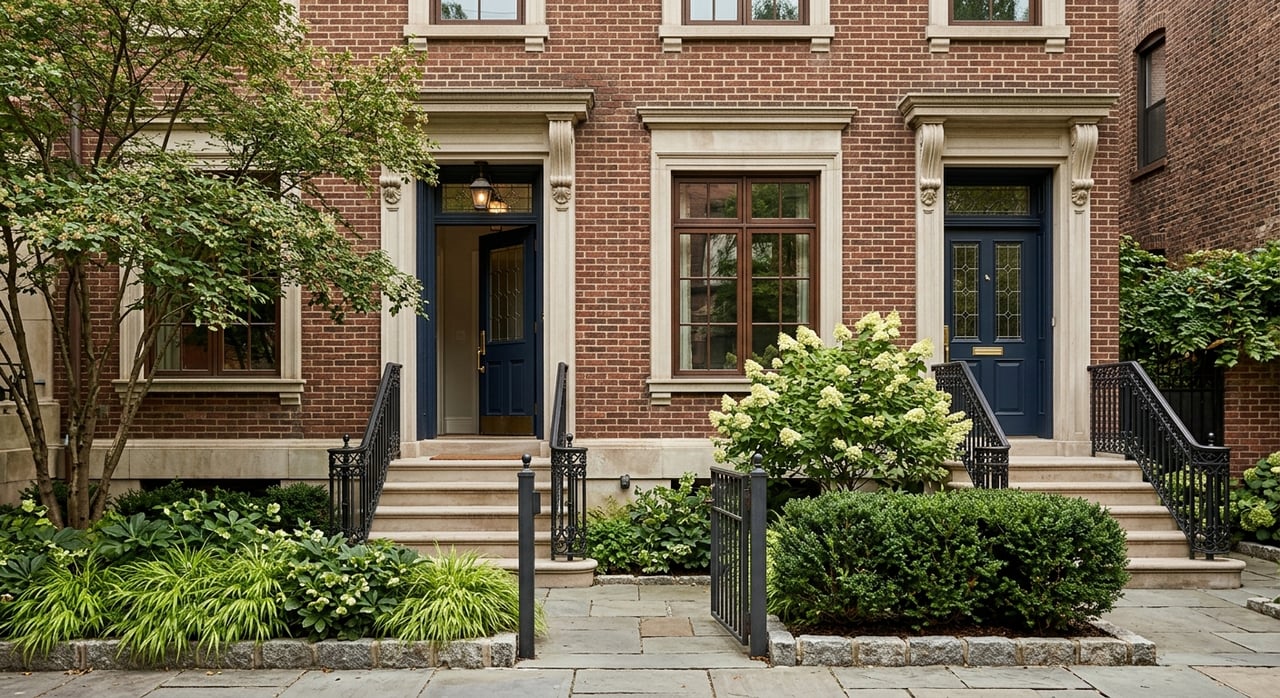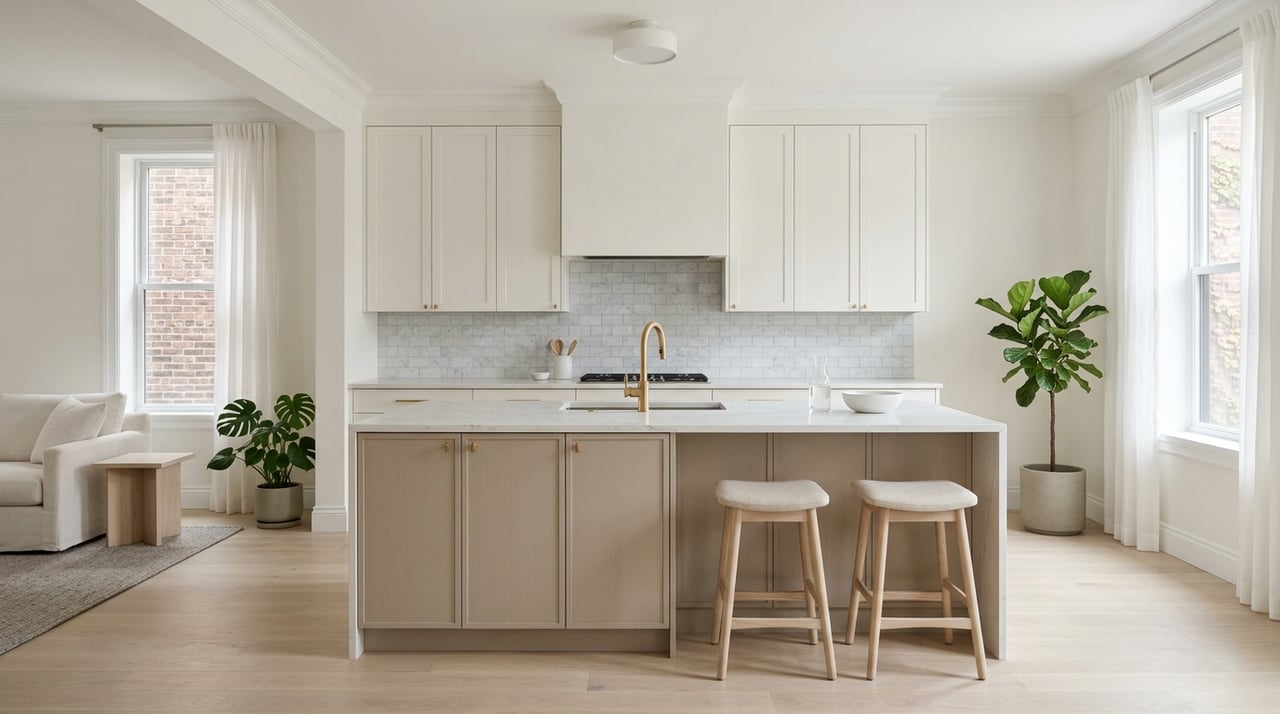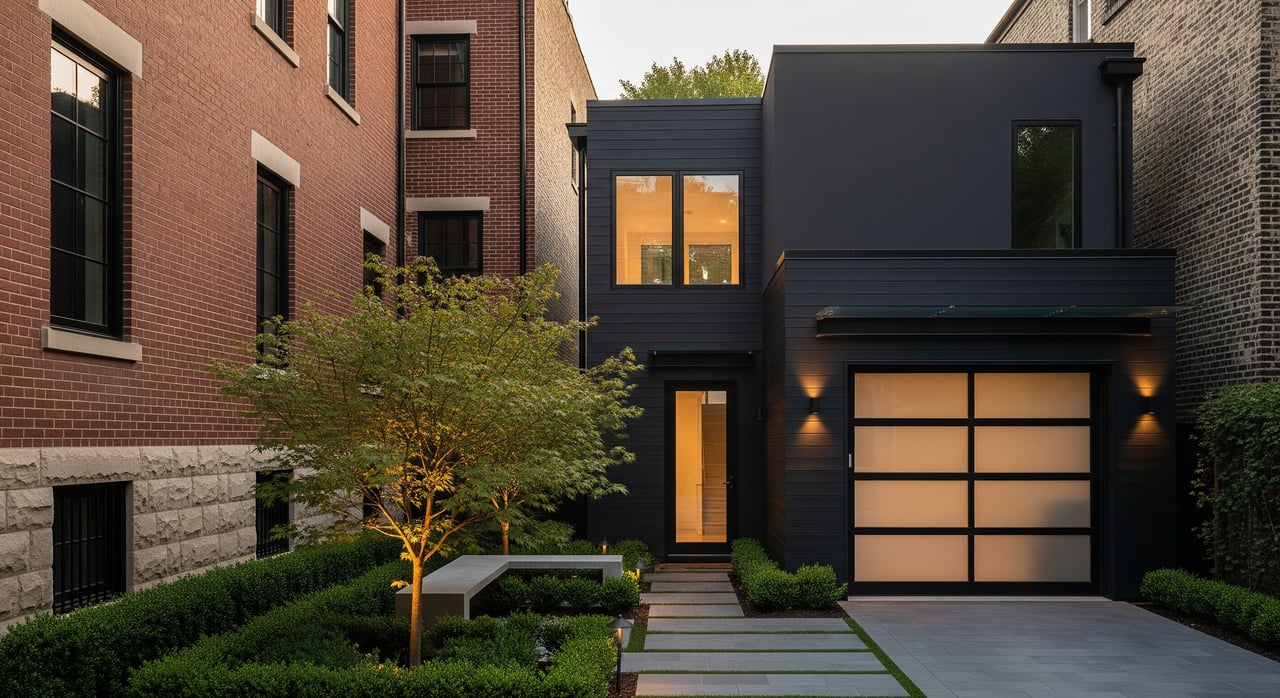
Thinking about adding a coach house or ADU to your East Village property? You are not alone. Homeowners across West Town want more usable space, flexibility for family, and potential rental income. In this quick guide, you will learn what counts as an ADU, how to size up feasibility on your lot, the steps to permit and build, and where owners in East Village find the best value. Let’s dive in.
What counts as an ADU or coach house
Accessory Dwelling Unit, or ADU, means a smaller secondary home on the same lot as your main residence. In Chicago, that can be a detached coach house, an attached addition, a basement conversion, or a garage conversion.
A coach house is typically a detached unit set at the rear of the lot, often over or replacing a garage with access from the alley. Many owners also explore converting an existing garage into living space, which can be a simpler path if the zoning allows it.
Why the type matters: each version triggers different rules. Detached units bring height and setback limits, foundations, and separate utility questions. Interior or basement conversions focus on ceiling height, egress, light, ventilation, and fire safety. In historic areas or on narrow lots, these distinctions often decide what is possible.
East Village rules: what to check first
East Village properties follow City of Chicago rules. You will be dealing with the Department of Buildings for permits and code, the zoning map and ordinance for what is allowed, and possibly the Landmarks Commission if your property or block is designated. If you plan to rent, you will also look at rental and short-term rental rules and any condo or HOA bylaws.
Zoning and lot basics
Start with your exact zoning district. The district controls whether an accessory dwelling is allowed and sets the yard, setback, and height rules for accessory structures. Confirm your lot dimensions and current lot coverage so you can gauge whether a new detached structure, or a larger garage footprint, would push you over maximums.
Parking rules vary by district and location near transit. Some areas reduce or waive parking for additional units, while others expect on-site parking. Understanding parking early helps you shape the footprint and use of a coach house over a garage.
Access and site constraints
Alley access is a big factor in East Village. Many coach houses rely on a rear alley for garage orientation and utility connections. Verify that your lot abuts an alley, note the alley’s width and condition, and measure your rear yard depth. These dimensions affect setbacks, height options, and whether a two-story coach house over a garage is realistic.
If your lot is narrow or shallow, you may find that a detached structure is tight, while an interior or basement conversion remains feasible. Always check rear-yard requirements for accessories in your zoning district before you get attached to a design.
Utilities and building code
Habitable ADUs must meet building code standards, including smoke and CO detectors, proper egress, minimum ceiling heights, ventilation, plumbing, and electrical. Detached units may need greater separation from the main building and can trigger sprinkler or additional fire-safety measures in some cases.
Utilities deserve early attention. Ask whether you will need separate water, sewer, gas, and electric service or if submetering is acceptable. Utility work can be a major cost driver and can shape whether a garage conversion or a detached new build makes more sense for your site.
Historic and rental rules
Portions of the broader West Town and Ukrainian Village area include landmarked properties or districts. If your exterior changes are visible from the street or alley, you may need a landmark review and approval. That review often becomes the longest lead item in the process, so build it into your timeline.
If you plan to rent the unit, study Chicago’s rental and short-term rental rules. Registration and local restrictions can apply, especially for multi-unit buildings or short-term stays. Adding a rental unit can also affect your property taxes and may require licensing or business registration.
Permitting path and timeline
Step-by-step overview
- Preliminary research
- Confirm zoning district and whether ADUs are permitted on your lot.
- Check for landmark or historic overlays, alley access, and utility availability.
- Gather your title, plat of survey, any existing plans, and site photos.
- Initial consultations
- Talk with an architect or designer who knows Chicago code and small ADU projects.
- Consider a permit expediter and reach out to city staff for concept feedback if available.
- Schematic design and feasibility
- Create a site plan with the proposed footprint, setbacks, parking, and access.
- Identify if you need variances or special approvals and plan for the process.
- Zoning review and approvals
- If you comply, zoning review occurs as part of permit intake.
- If you need relief, plan for public notice, meetings, and a 1 to 3 month or longer window.
- Building permit submittal
- Submit construction drawings, structural details, and trade permit applications.
- Pay fees and address plan review comments.
- Construction and inspections
- Pull trade permits, build, and pass inspections at framing, rough-in, and final.
- Certificate of Occupancy
- Secure your CO or temporary CO before occupancy or renting.
How long it takes
Timelines vary by scope and approvals needed. A straightforward garage or interior conversion that meets code often takes about 3 to 6 months from planning through occupancy, depending on contractor schedules and inspections. A new detached coach house that needs variances or landmark review commonly runs 6 to 12 months or more.
Costs and budget drivers
Every project is different, but these categories shape your budget:
- Construction scope. Detached new construction costs more than a conversion because of foundations, framing, and exterior work. Finishes, size, and structural complexity drive the number.
- Utility work. New meters and service upgrades for water, sewer, gas, and electric can add significant cost. Submetering may be an option in some cases.
- Site work. Demolition, grading, drainage, and alley or driveway work often add up on tight urban lots.
- Design and permitting. Architect, engineering, permits, and any legal or expeditor fees for variances are real line items.
- Historic or variance process. Extra drawings, community presentations, and review cycles add time and soft cost.
- Taxes and insurance. Added living area or income use can increase assessed value and premiums. Notify your insurer and plan for tax impacts.
As a planning tip, owners often carry a 10 to 20 percent contingency to cover unknowns. For a broad orientation, a garage or small interior conversion is usually well below the cost of building a detached coach house. Obtain multiple contractor estimates before locking your scope.
East Village property fit and use cases
Where it works best
You are likely in good shape if you have a standard lot with a rear garage and alley access. A replacement garage with a two-story coach house above can be efficient if your setbacks and height limits allow it. Single-family homes with a larger rear yard offer more flexibility for footprint and outdoor space.
Where it is harder
Very narrow lots with shallow rear yards, or properties without alley access, often struggle to fit a detached unit. Buildings that already contain multiple apartments can trigger additional life-safety or sprinkler requirements. Landmark status can still allow projects, but the design and finish may be closely reviewed.
Typical ways owners use ADUs
- Long-term rental income for steady cash flow.
- Accessory living for family, like an in-law suite, caregiver housing, or an adult child.
- Home office or studio, sometimes legalizing an existing space over a garage for owner use.
- Incremental value and flexibility for resale, especially when the design is thoughtful and code compliant.
Common design approaches
- Convert an existing garage to reduce new construction and site disruption.
- Build a modest two-story coach house with parking or storage at grade and living space above.
- Create a basement or interior unit with careful attention to egress, light wells, and fire code.
Quick feasibility checklist
Use this checklist before you hire an architect or apply for permits:
Parcel and zoning
- Confirm parcel ID and zoning district for your lot.
- Pull a zoning map excerpt and note any special overlays.
Site conditions
- Measure lot size, rear yard depth, and existing lot coverage.
- Verify alley access and width and document existing accessory structures.
Utilities
- Locate water, sewer, gas, and electric lines and note meter locations.
- Ask early about separate services versus submetering.
Title and restrictions
- Check for easements, deed restrictions, and any condo or HOA rules.
Building information
- Note age, construction type, and any known structural limitations.
- Gather existing plans or prior permits if available.
Local controls
- Confirm landmark or historic district status and typical review standards.
- Ask the alderman’s office about neighborhood practice and precedent.
Financial plan
- Set a realistic budget range and contingency.
- Decide on financing, such as a construction loan, HELOC, or cash.
- Consider tax and insurance impacts for an income-producing unit.
Intended use and timeline
- Choose your use case: owner space, long-term rental, or short-term rental.
- Decide how much construction disruption and approval time you can tolerate.
Your next steps
- Pull your zoning and check for any historic overlays.
- Measure your rear yard and confirm alley access and conditions.
- Schedule a feasibility consult with a Chicago ADU-savvy architect.
- Talk to a lender about construction financing and whether rental income will count.
- If you need zoning relief, speak with a permit expediter or zoning attorney and connect with the alderman’s office.
Ready to evaluate the best path for your property or to run numbers on resale and rental scenarios? Connect with the neighborhood-savvy team at IKGroup for a private consultation and valuation. With 77+ years of combined experience and $1.2B in career sales, we help you balance design, cost, and market value so your ADU decision is clear and confident.
FAQs
Will an ADU in Chicago increase my property taxes?
- Adding habitable square footage or an income-producing unit commonly increases assessed value and taxes; consult the Cook County Assessor for guidance on your specific case.
Do coach houses in East Village need separate utility meters?
- It depends on your design and approvals; some projects use submetering while others require separate services, so confirm with utilities and the Department of Buildings early.
Can I use a coach house for short-term rentals in Chicago?
- Chicago has registration requirements and local rules for short-term rentals, and condo or HOA bylaws may add restrictions, so verify compliance before planning an STR use.
Will landmark or historic status block a coach house?
- Landmark status does not always block projects, but exterior changes usually need review and can be conditioned, which can extend timelines and shape design choices.
How long does it take to permit and build an ADU in East Village?
- A simple garage or interior conversion can be about 3 to 6 months from planning to occupancy, while a new detached coach house with variances or historic review can take 6 to 12 months or longer.
What is the most cost-effective ADU approach for narrow Chicago lots?
- Garage conversions or interior units tend to be more budget-friendly than detached new construction because they avoid new foundations and reduce exterior work.