For decades, brokers sold homes by sharing listings on the MLS. With the advent of the internet, those listings showed up everywhere, from brokerage websites to sites like Zillow. Private listing networks are now pushing back, and the way homes are bought and sold is shifting. It comes down to a simple question: who decides how a home is marketed, and who gets to see it?
Supporters say sellers should decide when and where to show their home. Critics say fewer eyes on a home means less competition and, ultimately, a lower price. Both sides have a point. But I think this fight has uncovered a bigger problem our industry has ignored for too long.
Private listings aren't new
I've been in this business for 37 years, and private listings have always been part of it, especially at the high end. In Chicago, brokers have long used their relationships and MRED's Private Listing Network (PLN) to show a home to other agents before it goes public. Office exclusives are narrower still: only agents inside one brokerage see the home.
Done right, these options give sellers privacy and time to get the house ready.
What's new is the scale. Some of the largest brokerages now treat private marketing as a core strategy, not a tool for special situations. That raises a fair question: are private listings helping sellers, or helping the companies that control who gets in?
When private makes sense
Some homes are listed privately, and usually for good reason. A public figure or executive may not want photos of their home online. Other sellers want to test a price or get feedback before anything goes public and creates a listing history.
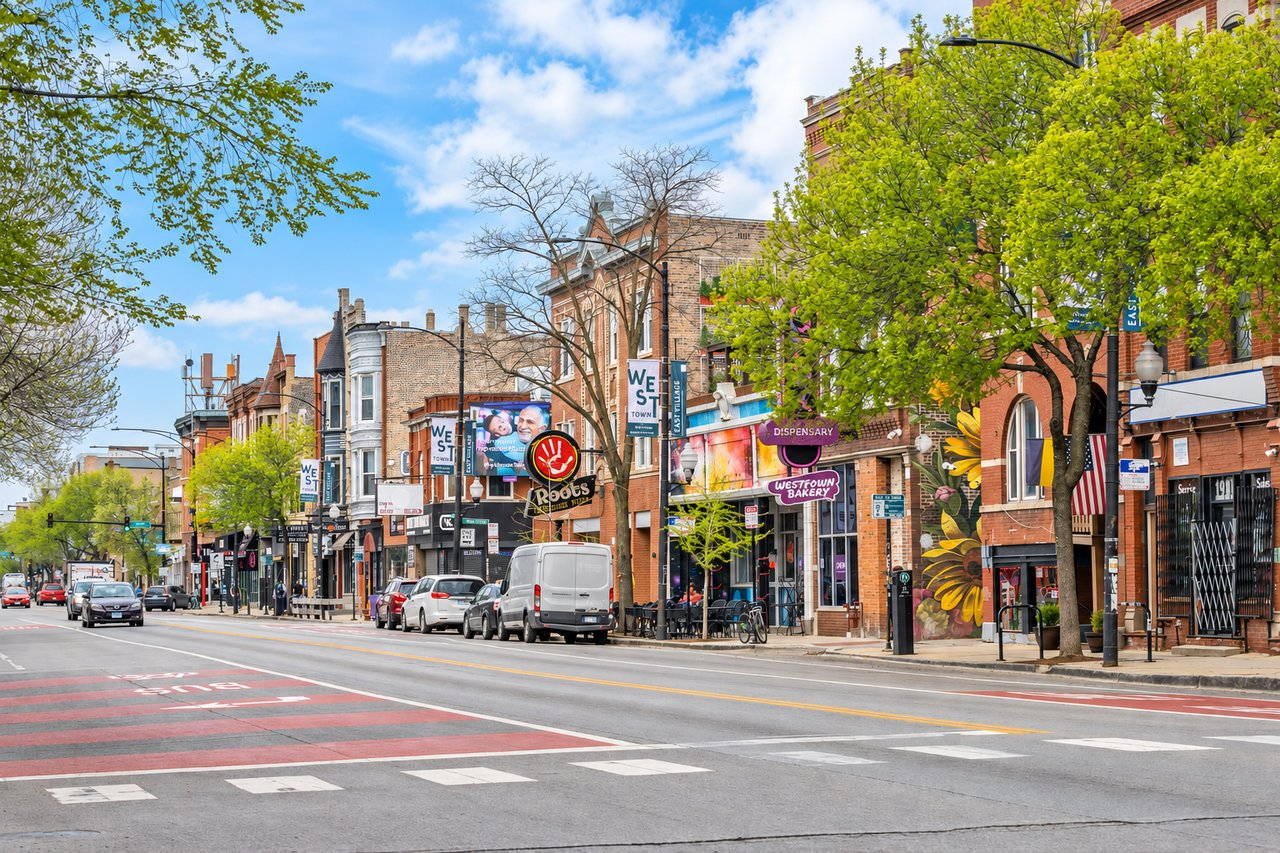
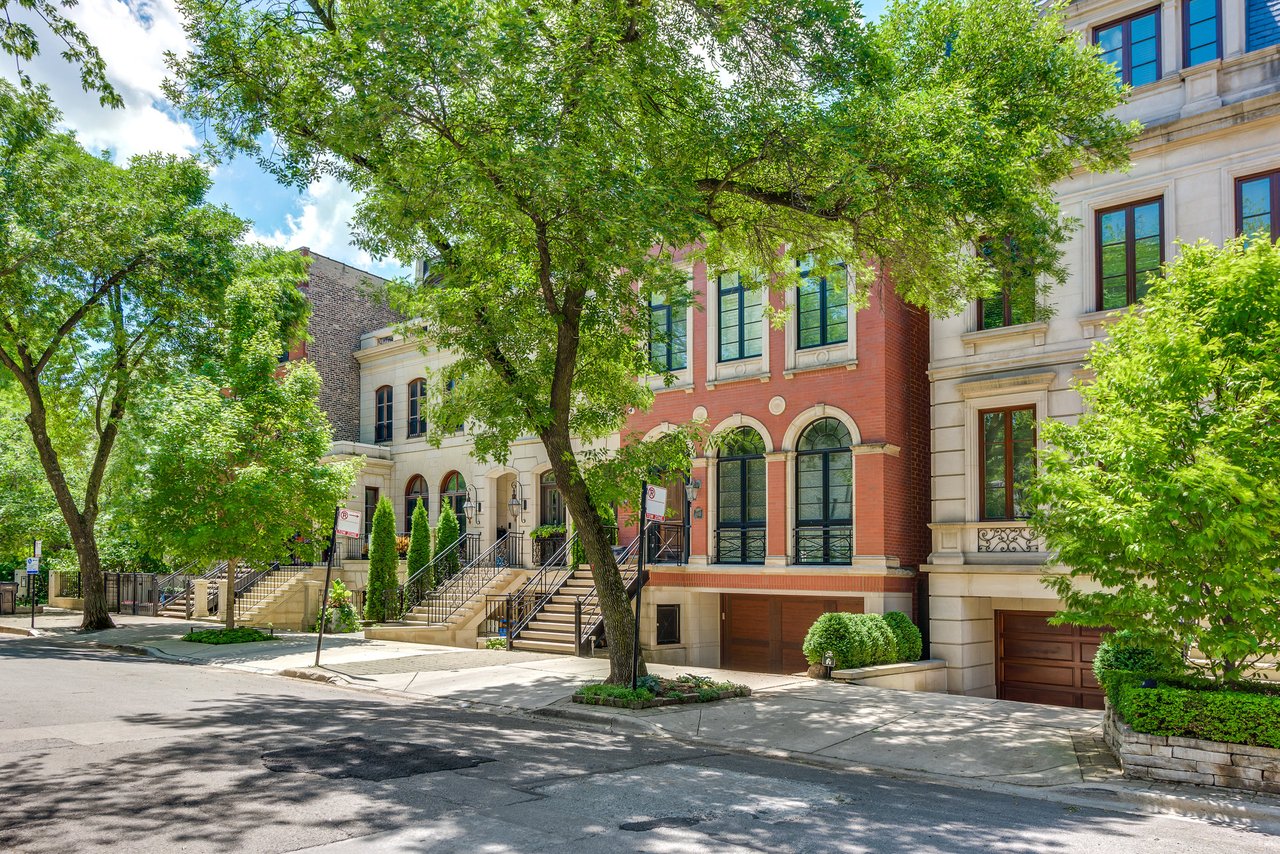
In Chicago, where a one-of-a-kind house may only appeal to a small group of buyers, targeted outreach can be a smart move. Critics of private listings see it differently. Their point is that a smaller audience gives you a smaller pool of demand, and possibly a lower price.
What limited exposure can cost?
The best case for taking a listing public is competition. With more qualified buyers seeing a home, sellers usually get stronger offers and better terms.
A private sale can be fast and easy, and for some sellers that's exactly right. But that could mean leaving money on the table. The buyer willing to pay the most could be working with a competing brokerage or searching on a public site that never showed the listing.
It’s always the seller's call, and a broker should explain exactly what they're giving up when they go private. They just need the full picture to make it.
The bigger question: who profits from our work?
This is the part of the debate I think deserves more attention.
Agents and brokers put real time, money, and expertise into creating the information the housing market runs on. We win the listing, advise the seller, coordinate staging and photography, write the marketing, and build relationships with buyers. That work produces the listings people scroll through every night.
Much of it flows through the MLS to sites like Zillow. Those companies built multibillion-dollar businesses by organizing it, drawing in consumers, and selling that traffic through ads and leads.
Here's what bothers me: agents then pay those same sites to reach buyers who showed up because of homes we brought to market.
Zillow has given consumers real value, and I'm not taking that away. The technology is good, and the access is easy. But I do think our industry handed over too much control of our own work, and too much of the money it generates.
We helped build an enormously valuable marketplace, and now we depend on outside companies to connect us with our own clients.
Why the Compass–Anywhere merger matters
In January 2026, Compass merged with Anywhere Real Estate. That put Coldwell Banker, Century 21, Corcoran, and Sotheby's International Realty under one corporate roof.
The merger turned up the heat on this debate, because a company that size can influence how a large share of homes reach the market. Compass's supporters say sellers should be able to choose a phased approach instead of going public on day one. Critics worry a few big networks will control access, leaving buyers and other agents on the outside.
Why Chicago is in the middle of It
Zillow filed a lawsuit involving Compass and MRED, our local MLS, in May 2026. Its focus was on how listings are distributed and when listing information reaches public search sites.
In September, a federal judge denied Zillow’s request for a preliminary injunction and sent its claims against MRED to arbitration. Those were procedural rulings. The bigger questions are still open.
Here’s what makes our setup different. A brokerage-only exclusive keeps a listing inside one company. MRED’s Private Listing Network lets every participating agent see the listing, without pushing it to public sites right away. Agents at every brokerage can still cooperate. Sellers get to choose, and their homes stay in front of qualified buyers.
Washington has noticed, too. In August, Senator Elizabeth Warren raised concerns about the Compass–MRED partnership, worried that limited access could put some buyers at a disadvantage. On October 16, she and Senator Cory Booker asked the Federal Trade Commission to look at how real estate websites and large brokerages handle lead routing, referrals, mortgage incentives, and office exclusives.
When you click “contact agent,” do you know where your information goes? Are referrals steered by who pays the most? Does private inventory give some buyers a head start?
Those are fair questions. Buyers and sellers deserve to know which homes are actually for sale and how everyone in the deal is connected. A good market depends on it.
What this means for Chicago sellers
When we meet with our clients, we tell them the right strategy depends on their house and their priorities.
A high-profile seller may care more about privacy. Someone planning a move next year may want to list on first, then a full launch. Sometimes a mix of private and public makes sense, as long as it follows MLS rules and the seller signs off knowing the trade-offs.
We build the plan around the seller's goals, not the brokerage's business model. Before you agree to a private listing, ask:
- Who will actually see my home?
- Can buyers working with other brokerages get access?
- How will we know the price is right?
- When would we go public?
- Does my brokerage benefit financially if I go private?
Our job isn't just to sell your home. It's to get you the best result on the terms that matter to you. That's why every listing I take starts with a detailed prep plan, whether we go private, public, or both.
The future should be broker-led, not broker-restricted
I think this is a real opportunity for our industry. For too long, brokers have supplied the content, expertise, and marketing dollars behind online home search, while outside platforms collected much of the value.
As brokers, we want an industry-led marketplace to be the first place buyers, sellers, and agents go: we provide the most accurate, complete information; brokers cooperate across company lines, and consumers connect directly with agents who know the market, not random brokers who buy leads on Zillow.
But replacing Zillow with a handful of big brokerages, each holding its own private pool of listings, isn't the answer. The better path is to improve on the systems that let brokers cooperate, keep listing information widely available, and keep more of the value we create.
Private listings should stay an option when they truly serve the seller. Broad exposure should stay available when competition is the priority. Neither should be decided by what's best for a brokerage or a tech company.
The people who do the work should shape this business's future. The people buying and selling homes should stay at the center.