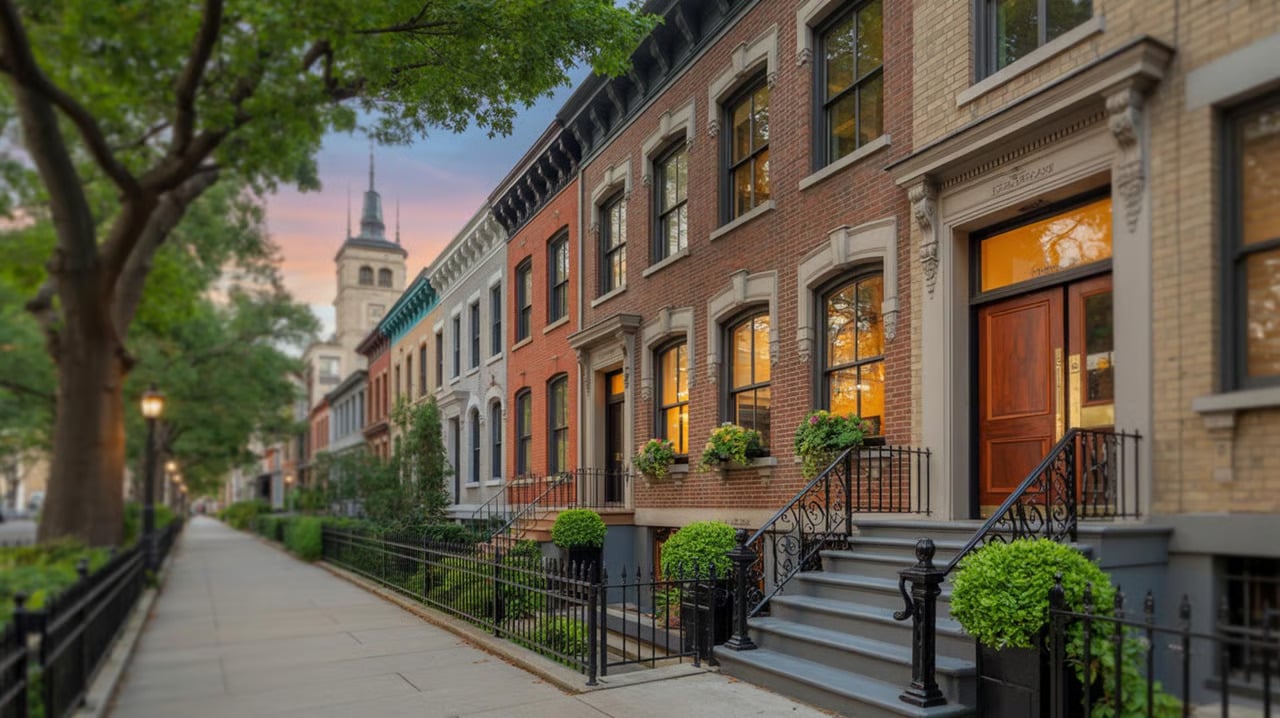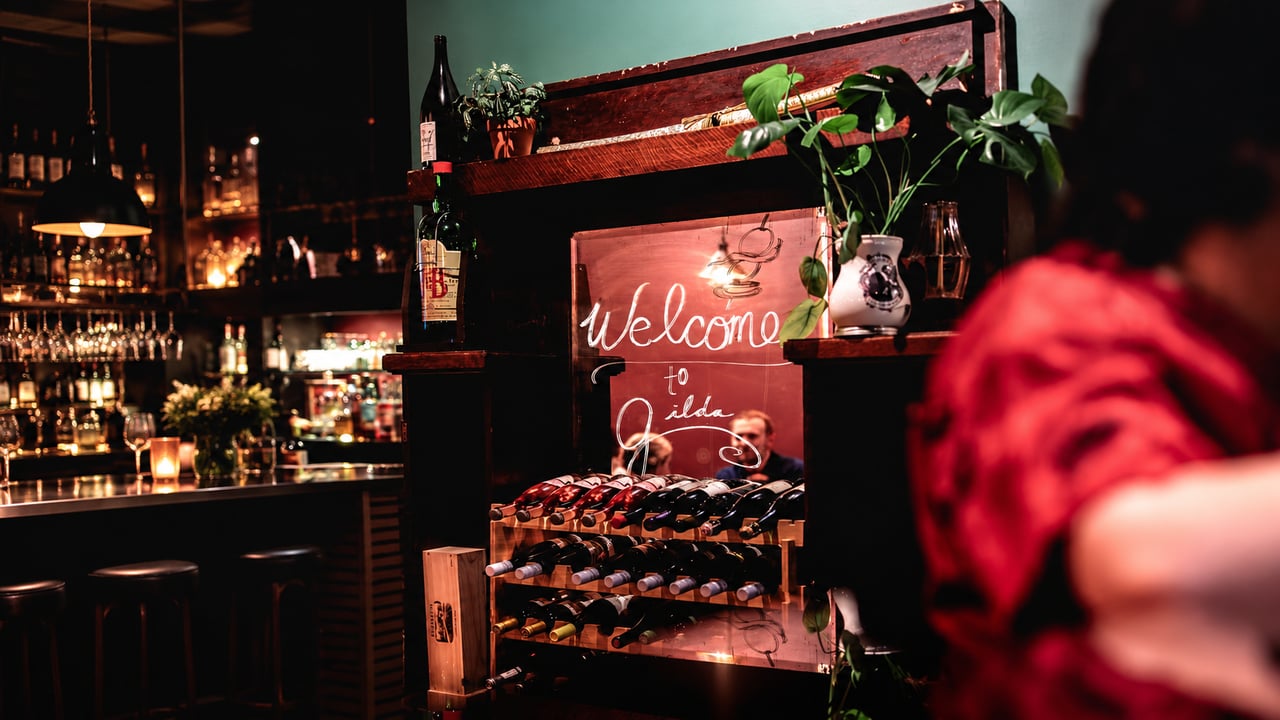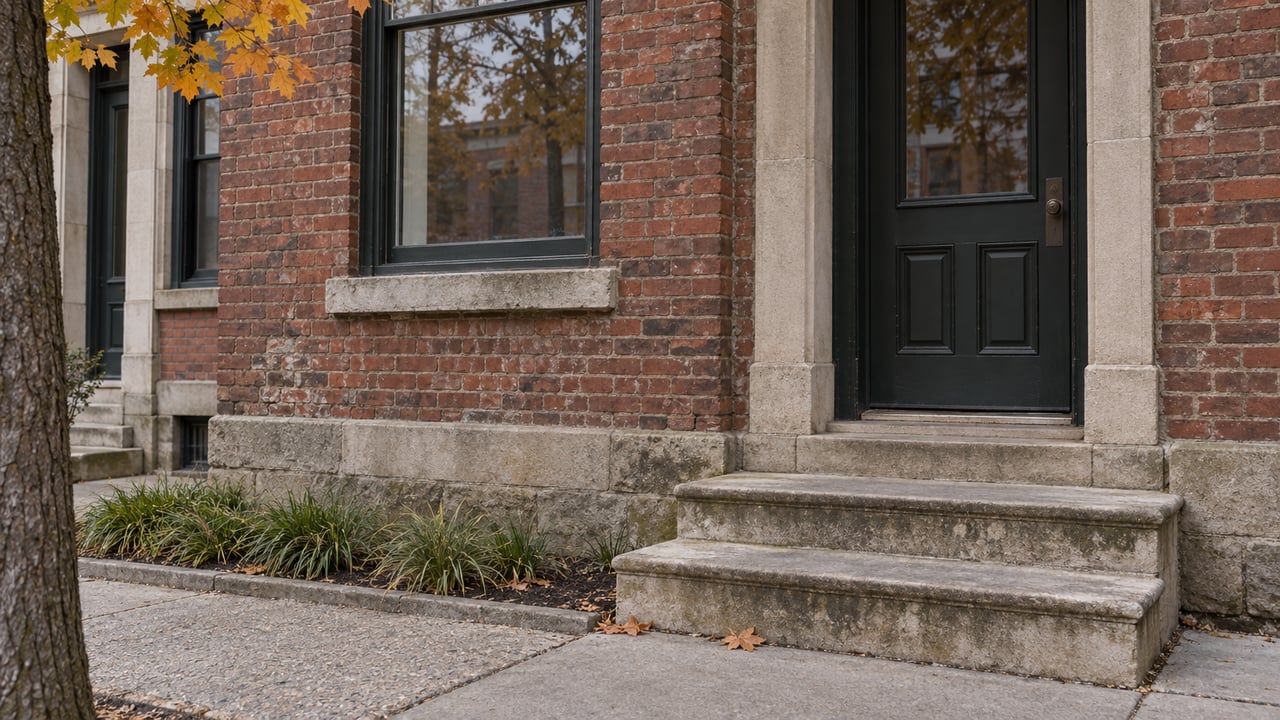
"We expect 300,000 visitors this season." That's what Nilda Esparza, who runs the Logan Square Farmers Market for the Logan Square Chamber of Commerce, told a community meeting this spring. It sounds like a projection about a Sunday market. It's actually a statement about geography. For the first time in nearly two decades, the market, the monument, and a fresh wave of restaurant openings are all sitting inside the same few blocks instead of scattered around a traffic circle that used to push people apart rather than together.
If you've lived in Logan Square through any of the last two construction seasons, you already know the fencing. What you might not have pieced together is why it mattered, or why a second plaza broke ground less than five weeks after the first one opened.
Three Homes in Eighteen Years
The Logan Square Farmers Market spent 18 years operating a few blocks from the monument on Logan Boulevard. When construction tore up that stretch, it moved to a temporary site on Kedzie Boulevard for two seasons. This year, the market settled into what Esparza is calling its forever home: the new pedestrian plaza on Milwaukee Avenue and a stretch of Logan Boulevard between Kedzie and Milwaukee, running Sundays from May 10 through October 25.
The reason the market kept moving traces back to 2017, when the old Megamall discount store was demolished to make way for a luxury apartment building. That demolition left a gap at the neighborhood's literal center, one that sat mostly vacant for years while planning dragged on. The traffic circle project that finally closed that gap didn't break ground until 2024, and the two-way traffic pattern residents had been promised didn't go live until November 6, 2025.
What Actually Finished in June
The Milwaukee Avenue Streetscape and Logan Square Redesign wrapped with a ribbon cutting on June 22, 2026, rerouting Milwaukee Avenue around the Illinois Centennial Monument and converting the old bus turnaround into a plaza called La Placita. The project ran well past its original estimate, anchored by $21 million in federal transportation funding according to figures shared at the ribbon cutting. What that money bought: 70 sidewalk extensions, new street trees, dashed bike lanes, raised crosswalks, and a walking path that now rings the square instead of cutting through it.
That last detail is the one worth sitting with. For years, Milwaukee Avenue ran straight through the circle, which meant six lanes of moving traffic split the plaza from the sidewalk cafes on either side. The redesign turned that into an actual roundabout with protected bike lanes, and the difference shows up immediately if you're walking rather than driving. The Chicago Department of Transportation's project page frames the goal plainly: unified, walkable commercial destinations rather than an intersection designed around cars passing through.
The Market's Actual New Footprint
The market's new home isn't simply bigger or better located. It's tighter than the old boulevard stretch, which is why this year's map shows 24 fewer booths than in past seasons. What's there instead is a deliberate split: 103 rotating vendors total, including 44 weekly farmers stationed inside the plaza and along Logan Boulevard, and 14 vintage vendors set up separately at La Placita in front of Reno, Same Day Cafe, and the other Kedzie storefronts.
Even while running out of the cramped temporary Kedzie site last year, the market pulled in roughly 270,000 visitors across the season, a stretch that came during a run in which the Chicago Reader has named it the city's best farmers market seven years running. Esparza's 300,000 projection for this year isn't a guess pulled from thin air. It's what happens when you take a market that already draws 12,000 to 15,000 people on a good Sunday and finally give it a permanent address at the neighborhood's actual center of gravity, instead of a detour a few blocks away.
There's one exception on the calendar worth knowing if you're planning a Sunday around it. On June 28, the market relocates entirely to Humboldt Park so the Logan Square Arts Festival can take over the plaza for the weekend.
The Kitchens That Bet on the Same Corner
Restaurants don't open on a construction timeline by accident. Every recent opening near the monument sits within a few blocks, on Milwaukee or California, and that clustering says something the ribbon cutting alone doesn't: operators are betting that foot traffic now concentrates around the plaza and the market in a way it never did when the circle was still six lanes of moving cars.
- Rasa Indian Cuisine and Bar, at 2763 N. Milwaukee Ave., opened this spring serving curries and biryani from chef Jessil Shaji, a personal project he chose over a job offer in Ohio because, as he told Block Club Chicago, the friendship behind the partnership mattered more than the money.
- Osaka, at 2456 N. California Ave., is chef Patrick Bouaphanh's standalone version of the sushi and omakase concept he first built inside CH Distillery in the West Loop.
- Culebra, at 2101 N. California Ave., is a cocktail bar tucked beneath Lonesome Rose that has already built a following on its hidden entrance alone.
- Logan Inn, at 2001 N. California Ave., opened its doors in mid-September after two years of buildout on the ground floor of the Logan Square SRO hotel. Co-owner Kiva Wenig, who spent a decade with Lettuce Entertain You before this project, described the space to Block Club as a passion project built around cocktails, coffee, and sandwiches, including a mortadella sandwich with burrata and pistachio pesto that Wenig singled out as his favorite item on the menu.
- Hooligan, chef Christian Hunter's first solo restaurant, is set to open this fall at 2528 N. California Ave. Hunter earned a Michelin star at Lincoln Square's Atelier within its first year and won the 2023 Michelin Young Chef Award before leaving to build Hooligan as a stall inside Time Out Market Chicago. That market closed in January 2026 before Hooligan ever served a plate, and Hunter is now opening the concept as a permanent 50-seat room instead, pairing Great Lakes perch with classical French technique.
None of these are first-time operators testing a cheap lease. They're chefs and owners with track records elsewhere in the city choosing this specific stretch, in the same calendar year the sidewalks around it finally got fixed.
The Fence Went Back Up Five Weeks Later
If the June ribbon cutting looked like an ending, the construction fencing that went up in July is the more honest signal. Less than five weeks after the traffic circle project wrapped, crews broke ground on a second plaza at 2550 N. Milwaukee Ave., the former Megamall site near Andros Taverna and La Boulangerie. The city had fenced off the lot in June for utility work, and the plan calls for outdoor seating, new lighting and landscaping, a performance space, and a children's play area.
City officials say the project, tentatively called the Logan Square Megamall Plaza, could wrap by early 2027, though the Chicago Department of Transportation has said timelines will be updated as work progresses. La Boulangerie's former patio, which sat on city land next to the site, was removed to make room for the build. Two plazas built or under construction within a few blocks of each other, both anchored to the same traffic circle, isn't a pattern most Chicago neighborhoods see in a single calendar year.
What This Actually Changes If You Already Live Here
If your mental map of Logan Square still routes around the circle instead of through it, that map is out of date. The market, the restaurants, and the public space have all landed in the same few blocks for the first time since the Megamall came down in 2017, and a second plaza is on the way to extend that footprint further west along Milwaukee. Expect another construction season through the Megamall site into next year, but expect it to end the same way this one did: with more reasons to walk to the monument instead of around it.
That kind of investment in shared public space is also the sort of detail that tends to show up later in how a neighborhood holds its value, long after the fencing comes down.
For residents thinking about what any of this means for their own block, IKGroup has been watching Logan Square's center take shape all year and is always glad to talk through what a changing neighborhood means for your home.