Wondering whether East Village is the right place to buy in Chicago? If you want a neighborhood that feels residential but still keeps you close to downtown, East Village will likely catch your attention fast. The key is knowing what you gain here, what tradeoffs come with it, and whether those match the way you actually live. Let’s dive in.
East Village at a Glance
East Village is a compact pocket within West Town, about 3.6 miles west of downtown. It is known for its residential feel, walkable streets, and a mix of historic character and everyday convenience.
The area also includes a recognized Chicago landmark district. That historic designation helps shape the neighborhood’s look, with 19th-century working-class housing, small cottages, and small flat buildings still influencing the streetscape today.
For many buyers, that means East Village feels established rather than manufactured. You get a neighborhood with visible architectural texture and a stronger sense of place than some areas dominated by newer development.
What Buying in East Village Usually Looks Like
If you are picturing a broad range of detached homes at entry-level pricing, East Village may not line up with your expectations. Current neighborhood snapshots point to a tighter, more competitive market with a median sale price around $699,000, roughly $423 per square foot, about 10 homes for sale, around 0.7 months of supply, and an average of about 13 days on market.
That combination suggests limited inventory and fast-moving listings. In practical terms, you may need to make decisions quickly when the right property comes up.
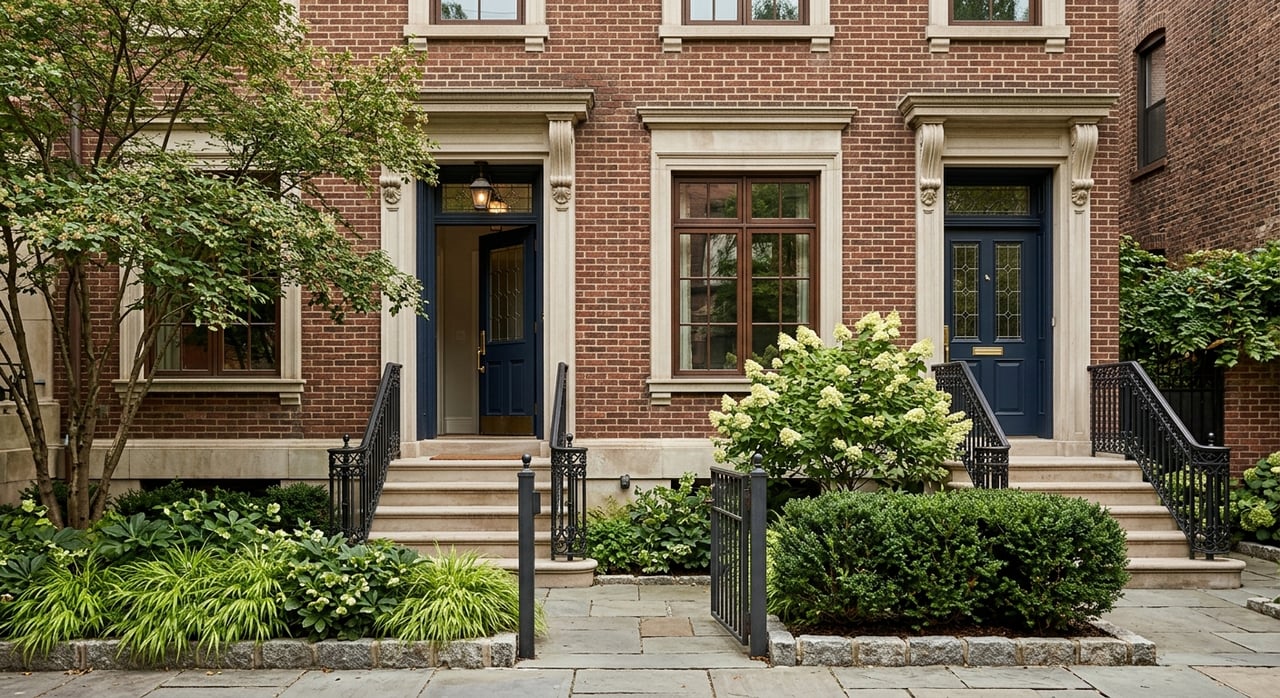
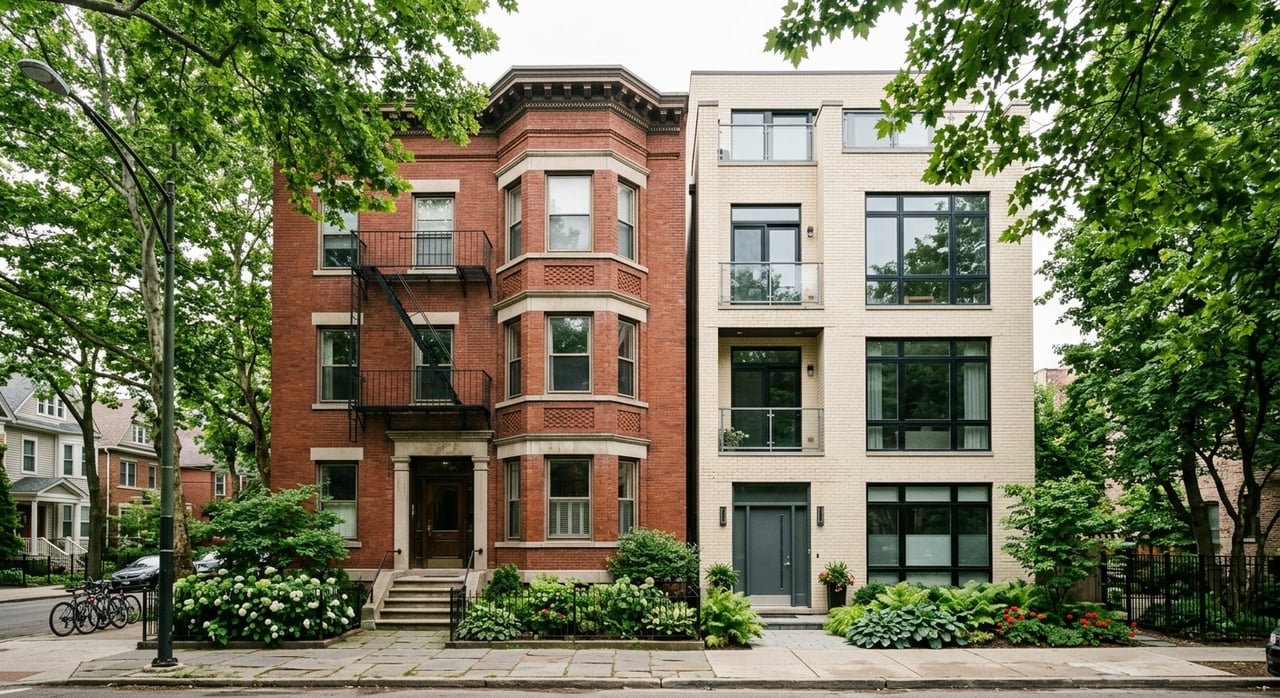
The housing mix also matters. East Village is known for low-rise condos, Italianate and Chicago Greystone architecture, contemporary brick buildings, and some newer-construction condo units.
For many buyers, a condo or townhouse is the more realistic entry point here than a detached single-family home. If you are comparing options, details like layout, parking, building condition, HOA health, and outdoor space can have a major impact on both daily enjoyment and future resale.
Why Buyers Are Drawn to East Village
Transit access stands out
One of East Village’s strongest advantages is connectivity. The Division Blue Line station at 1200 N. Milwaukee links you to the Blue Line and CTA buses 9, X9, 56, and 70.
The Blue Line runs 24 hours between O’Hare and Forest Park by way of downtown Chicago. If your routine depends on easy city access, airport access, or a commute that does not require a car every day, that can be a meaningful benefit.
For drivers, the broader West Town area also sits off I-90/I-94. That gives buyers flexibility if their workweek mixes transit, rideshare, biking, and driving.
Daily convenience is part of the appeal
East Village offers the kind of convenience many city buyers want but struggle to find in one place. Neighborhood descriptions highlight a strong food-and-drink scene, nearby grocery options like Mariano’s and Jewel-Osco, parks, the Greenhouse Garden, and overall walkability.
The broader West Town setting adds even more variety. The area is often described as eclectic and artsy, with boutiques, taprooms, museums, restaurants, and public art nearby.
If you want to be able to step out for dinner, errands, coffee, or a quick train ride without overplanning your day, East Village checks many of those boxes. That lifestyle fit can be just as important as square footage.
The neighborhood has real character
Some buyers want a home that feels distinct, not interchangeable. East Village often appeals to people who appreciate vintage architecture, residential blocks, and a neighborhood identity shaped over time.
Because block character varies, your experience can change depending on where you buy. Busier avenues may feel more active, while interior streets often feel more residential.
That makes micro-location especially important here. Two homes in East Village can offer very different day-to-day experiences, even when they are close together.
Who East Village Is Best For
East Village can be a strong fit if you want:
- A compact, walkable neighborhood
- Reliable CTA access, especially the Blue Line
- A location close to downtown without being in the middle of it
- Vintage architecture or a historically textured streetscape
- Condo, townhouse, or low-rise living in a residential setting
- Access to West Town dining, retail, and daily conveniences
In short, East Village often works well for buyers who value location efficiency and neighborhood character. If your ideal home search starts with walkability, transit, and a strong sense of place, it deserves a close look.
When East Village May Not Be the Right Fit
No neighborhood works for everyone, and East Village has clear tradeoffs. Buyers who need a larger detached-home market, abundant private parking, or a lower entry price may find the area more challenging.
The market snapshot points to limited supply and a relatively high price point for many first-time buyer budgets. Even when a listing looks appealing at first glance, the full monthly cost may feel different once you add HOA dues, property taxes, insurance, and parking.
You may also need to be realistic about space. If your priority is a large footprint, extensive storage, or a very private lot, your options in East Village may be narrower than in other parts of Chicago.
A Key Due Diligence Issue: Landmark Review
If you are considering a property in or near the East Village District, renovation plans deserve extra attention. According to the City of Chicago’s landmarks guidance, exterior alterations and demolition can trigger permit review.
That does not mean you cannot improve a property. It does mean you should understand the review process before you buy, especially if your plan involves changing windows, exterior materials, façades, or more substantial exterior work soon after closing.
For buyers who love vintage buildings and want to preserve architectural character, this may feel like part of the appeal. For buyers hoping to move fast on a major remodel, it is an important factor to evaluate early.
Questions to Ask Before You Buy in East Village
A smart East Village purchase starts with clarity about your real priorities. Before you move forward, ask yourself:
- Does the monthly payment still feel comfortable after HOA dues, taxes, insurance, and parking?
- Will your commute depend on the Blue Line, buses, biking, driving, or some mix of all four?
- Do you prefer vintage character, or would you be happier in newer construction?
- How important are parking, outdoor space, and flexible layout to your long-term plans?
- If you want to renovate, could landmark review affect your timeline or scope?
These questions matter because East Village is not a generic market. Small differences in building type, location, and property features can have an outsized effect on value and livability.
So, Is East Village Chicago the Right Place to Buy?
East Village is often the right place to buy if you want a compact, transit-rich Chicago neighborhood with historic texture, residential streets, and close access to downtown and West Town amenities. It offers a strong mix of walkability, character, and convenience that many buyers find hard to replicate.
The tradeoff is that you are buying into a tighter market with limited inventory and a mid-to-high entry price. On some blocks, landmark-related rules can also shape what you can change after closing.
If that balance sounds right for your lifestyle, East Village may be a very smart place to focus your search. If you want more space, easier parking, or a lower cost of entry, you may want to compare it carefully with other Chicago neighborhoods before making a move.
Buying well in a neighborhood like East Village takes more than liking the vibe. It takes a clear read on inventory, block-by-block differences, building quality, and long-term resale factors. If you want tailored guidance on whether East Village fits your goals, IKGroup can help you evaluate the market with a polished, data-driven, concierge-level approach.
FAQs
Is East Village Chicago good for buyers who want transit access?
- Yes. East Village benefits from the Division Blue Line station and CTA bus connections, and the Blue Line runs 24 hours through downtown between O’Hare and Forest Park.
Is East Village Chicago affordable for first-time buyers?
- It can be challenging for many first-time buyers because the neighborhood snapshot shows a median sale price around $699,000, limited inventory, and a competitive pace. Condos or townhouses are often the more realistic entry point.
What types of homes can you buy in East Village Chicago?
- Buyers will typically find low-rise condos, vintage buildings, Italianate and Chicago Greystone architecture, contemporary brick properties, and some newer-construction condo units.
Do East Village Chicago buyers need to worry about landmark rules?
- If a property is in or near the East Village District, exterior alterations and demolition may require City of Chicago landmarks permit review. That is especially important if you plan to remodel soon after closing.
Is East Village Chicago a good fit if you want a single-family home?
- It may be a weaker fit if your priority is a large detached-home market. East Village is better known for condos, townhomes, and lower-rise residential options in a compact neighborhood setting.
What should buyers compare before choosing East Village Chicago?
- Focus on total monthly cost, commute style, building condition, HOA health, parking, outdoor space, layout flexibility, and whether you prefer vintage character or newer construction.