If you want a Chicago neighborhood that makes daily life feel easy and interesting, Wicker Park is hard to ignore. You get a mix of historic streets, active public spaces, strong transit access, and a commercial core that keeps errands, dining, and entertainment close at hand. For buyers weighing both lifestyle and long-term fit, understanding how the neighborhood functions day to day can help you decide whether it matches the way you want to live. Let’s dive in.
Wicker Park at a Glance
Wicker Park sits within Chicago’s West Town community area, and its identity is closely tied to the historic Wicker Park district. According to the City of Chicago’s landmark record, the neighborhood takes its name from the triangular public park donated by Charles and Joel Wicker in 1870.
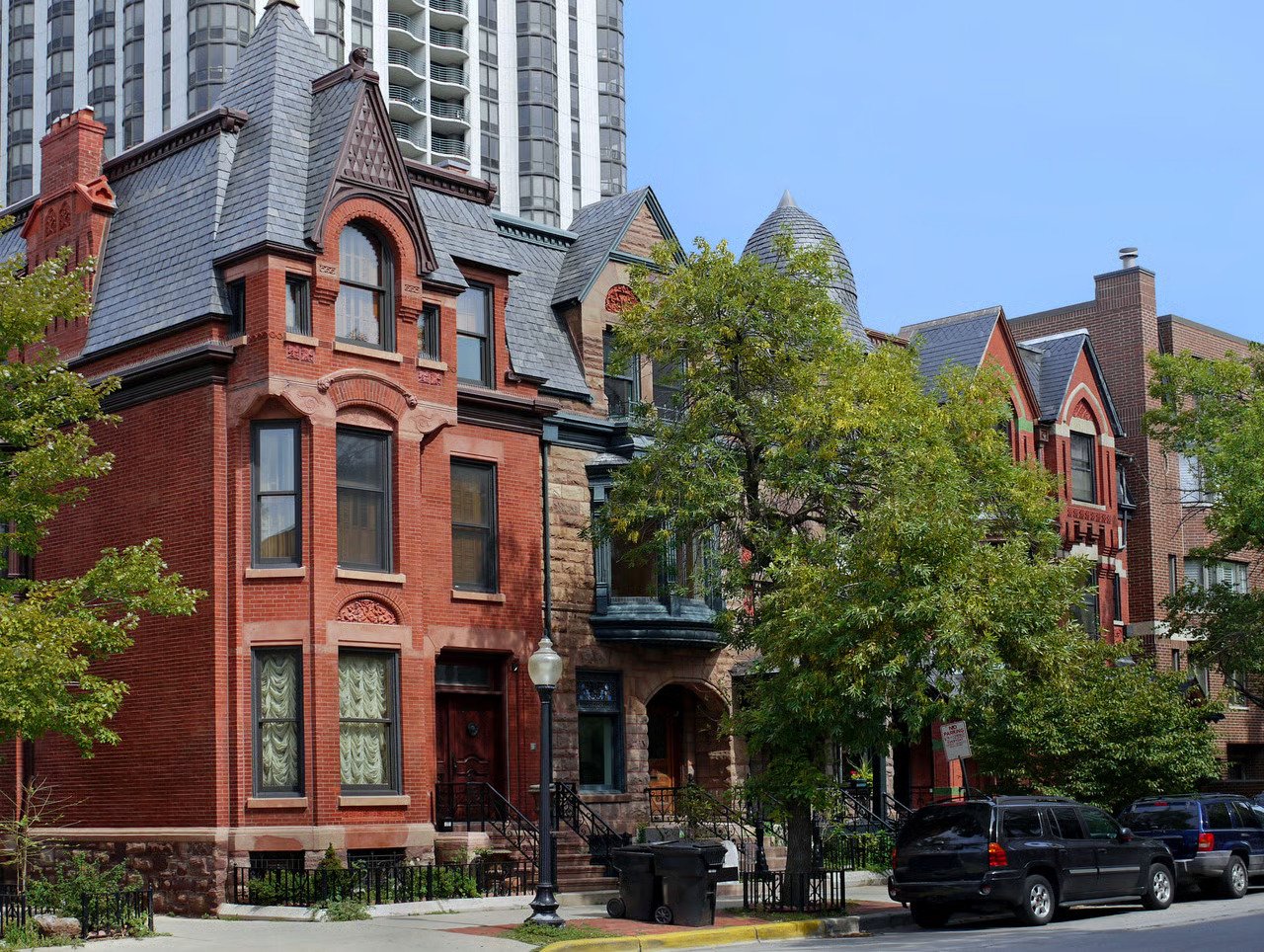
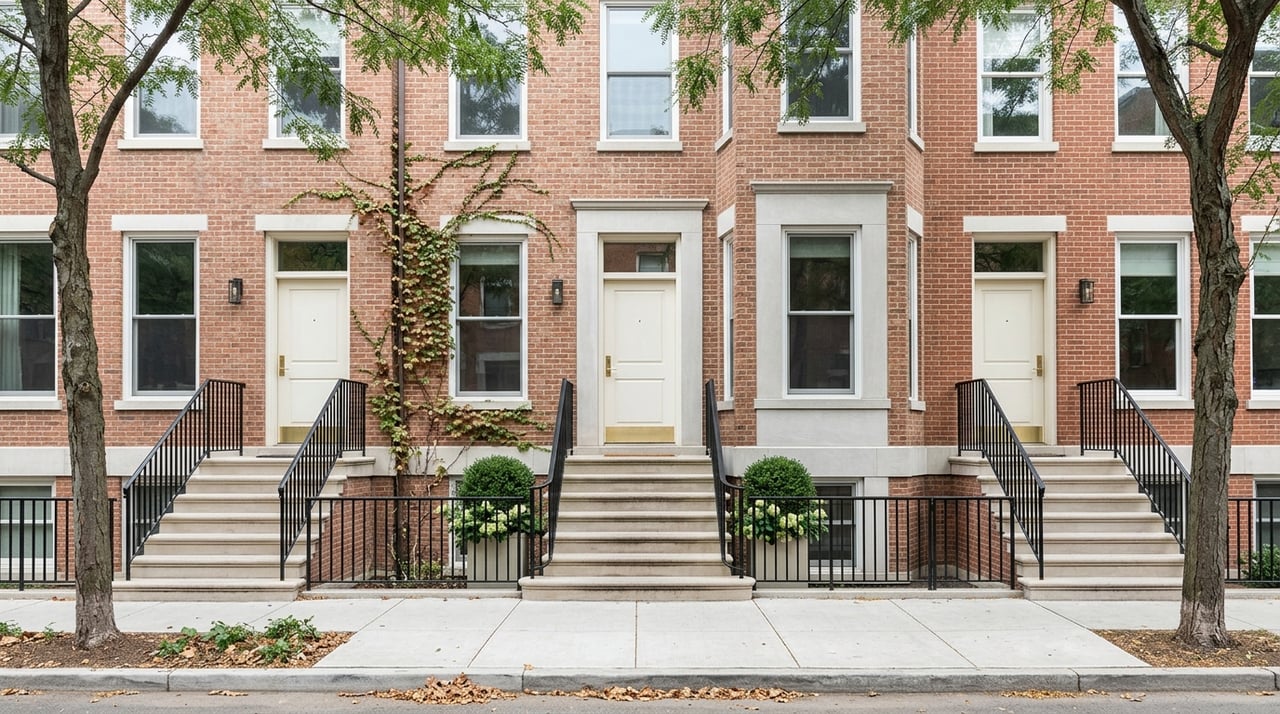
That history still shapes the feel of the area today. The surrounding residences reflect Chicago architectural styles built after the Great Fire through the early 20th century, which gives many streets a strong sense of character and continuity.
For many buyers, that blend is part of the appeal. You are not choosing a neighborhood defined by only one feature. You are choosing a place where historic architecture, busy commercial streets, and everyday convenience all exist within a compact area.
Daily Life Centers on the Core
A lot of Wicker Park’s energy is concentrated around the intersection of Milwaukee, Damen, and North Avenues. This is the neighborhood’s commercial hub, with shopping and activity extending along both Damen and Milwaukee.
The Illinois Office of Tourism describes the area as an urban shopping destination with independent boutiques, resale shops, antique furniture stores, gift shops, and art galleries. That variety matters in daily life because it creates a neighborhood where your routine can feel more local and less formulaic.
Choose Chicago also identifies Wicker Park and Bucktown as a major dining and nightlife district. The area includes indie music venues, clubs, pubs, speakeasies, and dive bars, along with well-known local stops like Myopic Books, Dove’s Luncheonette, Club Lucky, Bloom, Pompette, Ina Mae, Subterranean, and The Robey rooftop bar.
For you as a buyer, this means convenience often comes with activity. If you enjoy stepping outside and having places to browse, meet friends, or grab dinner without much planning, that can be a major advantage. If you prefer a quieter, more car-first setting, the busiest blocks near the core may feel more active than you want.
Parks Add Balance to City Living
One of Wicker Park’s biggest strengths is that it does not rely on shops and restaurants alone. The neighborhood also has meaningful access to green space and recreation, which can make day-to-day urban living feel more balanced.
The Chicago Park District describes Wicker Park as a 4.74-acre park with a fieldhouse, gymnasium, meeting rooms, playground, community gardens, historic fountain, dog-friendly area, baseball field, basketball courts, and athletic field. That range of amenities gives the neighborhood a practical anchor for exercise, recreation, and casual outdoor time.
The park also supports regular routines beyond passive green space. The Park District notes seasonal sports, early childhood and after-school programming, a six-week summer day camp, and 10,000 square feet of ornamental gardens maintained with volunteer support.
For buyers, this adds another layer to the neighborhood’s appeal. You can enjoy a dense, walkable area without giving up access to outdoor spaces that support everyday life.
The 606 Expands Your Outdoor Options
Beyond Wicker Park itself, The 606 adds a larger recreational asset nearby. According to the Chicago Park District, the trail runs 2.7 miles between Ashland and Ridgeway and includes 12 access points and 17 accessible ramps.
The trail is open daily from 6 a.m. to 11 p.m., which makes it useful for a range of schedules. Whether you like early morning walks, evening runs, or bike rides on weekends, it offers a flexible option that supports a city lifestyle.
The Park District also notes that The 606 is easiest to reach via the CTA Blue Line at the Damen or Western stops. That connection matters because it ties outdoor recreation directly into the neighborhood’s transit network and commercial core.
Transit Makes Everyday Logistics Easier
Wicker Park stands out for buyers who want strong transit access without sacrificing neighborhood identity. CTA states that the Blue Line provides 24-hour service between O’Hare and Forest Park via downtown Chicago, which gives the area a practical edge for commuting, airport access, and late-night flexibility.
Within the neighborhood corridor, CTA identifies both Damen and Division as Blue Line stations. The Damen station includes indoor bike parking and bus connections to routes #50, #56, and #72.
The Division station also includes indoor bike parking, along with bus connections to #9, #X9, #56, and #70. For daily life, these connections can reduce the need to plan every movement around a car.
That is one reason Wicker Park tends to appeal to buyers who value low-friction urban living. You can move between home, work, downtown destinations, and the airport with less effort than in many neighborhoods.
Everyday Services Matter Too
Lifestyle is not only about restaurants and parks. Practical amenities shape how easy a neighborhood feels over time, and Wicker Park has several that support everyday routines.
The Bucktown-Wicker Park branch of the Chicago Public Library, located at 1701 N. Milwaukee, offers Wi-Fi, computers, a meeting room, a parking lot, a bike rack, an accessible entrance, and wheelchair-accessible restrooms. That kind of civic resource can be useful whether you need a quiet place to work, a nearby community service, or another everyday errand stop.
The Wicker Park Bucktown Chamber of Commerce adds another layer through Special Service Area #33. The district funds supplemental services such as sidewalk cleaning, snow removal, landscaping, tree care, graffiti abatement, street furniture, and public art along major corridors.
Those details may sound small, but they influence how a neighborhood feels block by block. Clean sidewalks, maintained streetscapes, and visible public art can make the commercial areas feel more polished and easier to enjoy throughout the year.
Local Events Keep the Neighborhood Active
Wicker Park is not just a place with amenities. It is also a place with a regular calendar of neighborhood events that can add rhythm and energy to everyday life.
The Chamber produces both Wicker Park Fest and the Wicker Park Farmers Market. Its festival page describes Wicker Park Fest as a large summer street festival featuring more than 50 artists and more than 200 participating small businesses.
The farmers market brings together regional farmers, food producers, crafters, and small businesses in the neighborhood. For buyers, events like these can make it easier to picture what living here actually feels like week to week and season to season.
They also reinforce one of Wicker Park’s defining strengths. The neighborhood offers more than a static set of amenities. It supports a lifestyle with regular opportunities to be out, involved, and connected to local businesses.
What Kind of Buyer Wicker Park Fits
Based on the neighborhood’s amenity mix, Wicker Park can be a strong fit if you want walkable, transit-connected urban living with independent retail, dense dining options, active parks, and recurring local events. That conclusion comes from the way the area functions on a daily basis.
It may be especially appealing if you value being able to combine practical convenience with a strong sense of place. You can move through daily errands, dining, recreation, and transit access without feeling detached from the neighborhood around you.
At the same time, fit matters. Buyers who want a quieter setting or a more purely residential street pattern may find the commercial core busier than they prefer, especially around Milwaukee, Damen, and North.
Why Lifestyle Fit Matters in Your Search
When you buy in a neighborhood like Wicker Park, you are not only evaluating square footage or finishes. You are also evaluating pace, access, noise levels, routines, and how much you want your surroundings to offer within a short walk or ride.
That is why neighborhood guidance matters as much as property guidance. A well-located condo, loft, or single-family home can feel very different depending on how close it sits to the busiest corridors, the park, or transit stops.
At IKGroup, we help buyers look beyond the listing details and assess how a home supports the way they actually want to live. If you are considering Wicker Park, the right strategy is to match the property not just to your budget, but to your daily routine, priorities, and long-term plans.
If you are thinking about buying or selling in Wicker Park, IKGroup can help you evaluate the neighborhood with a clear, tailored approach and concierge-level guidance.
FAQs
What is everyday life like in Wicker Park, Chicago?
- Everyday life in Wicker Park centers on walkable access to shops, restaurants, nightlife, parks, local events, and Blue Line transit, especially around Milwaukee, Damen, and North.
What parks and outdoor spaces are in Wicker Park?
- Wicker Park includes the 4.74-acre Wicker Park with sports and recreation amenities, and nearby access to The 606, a 2.7-mile trail with multiple access points and accessible ramps.
How convenient is transit in Wicker Park for Chicago buyers?
- Wicker Park has strong CTA access through the Blue Line, which provides 24-hour service, with neighborhood stations at Damen and Division plus several bus connections and indoor bike parking.
What shopping and dining options are in Wicker Park?
- The neighborhood’s commercial core offers independent boutiques, resale and antique shops, art galleries, restaurants, and nightlife venues concentrated around Milwaukee, Damen, and North.
Is Wicker Park a good fit for buyers who want walkability?
- Wicker Park can be a strong fit if you want a walkable, transit-connected neighborhood with dense amenities and a lively street environment, though buyers seeking a quieter setting may prefer to focus on location within the neighborhood.
What community events take place in Wicker Park?
- Wicker Park hosts neighborhood events such as Wicker Park Fest and the Wicker Park Farmers Market, which feature artists, small businesses, farmers, and local food producers.