If you’re expecting either a housing crash or a sudden return to 2021-style chaos in Chicago, 2026 is going to surprise you - in a good way.
This is shaping up to be a reset year: calmer, more rational, and very neighborhood-driven.
Below are the questions I’m getting most often, along with the answers buyers, sellers, and homeowners need right now.
Q: Is 2026 going to be a bad year to buy a home in Chicago?
Short answer: No. But it won’t be easy either.
Nationally, CNBC and Realtor.com expect modest price growth of about 1–2% in 2026. Mortgage rates are expected to stay above 6%, which keeps affordability tight and the market from overheating.
In Chicago, that means buyers who are prepared will have opportunities, especially as more listings come to market. Waiting for a dramatic crash, though, is usually a losing strategy here.
Q: Will mortgage rates finally come down in 2026?
Yes-slightly. But don’t expect miracles.
Most forecasts show 30-year fixed mortgage rates settling into the low-to-mid 6% range. That’s meaningfully better than 2023, but nowhere near 3%.
Why this matters:
A lot of buyers didn’t disappear-they paused. As rates stabilize, many of them will re-enter the market, especially in rent-heavy cities like Chicago.
Q: Will there be more inventory in 2026?
A little. Enough to matter, but not enough to flip the market.
CNBC notes that nationally, inventory is growing and homes are sitting longer, especially where new construction has picked up. That’s true in parts of the country.
In Chicago:
-
Inventory should rise modestly as life events force people to sell
-
New construction will remain limited due to cost and zoning constraints
-
Negotiating leverage will mostly appear in overbuilt condo or new-build segments
Chicago doesn’t have an oversupply problem. When homes sit, it’s almost always because of pricing or condition, not demand.
Q: Why is Chicago not on CNBC’s list of cities where prices could fall?
Because Chicago never overbuilt.
The cities CNBC highlights for potential price declines-mostly in Florida, the West, and parts of the South-share one thing in common: excess supply.
Chicago has:
-
Limited land
-
High development costs
-
Many homeowners are locked into low mortgage rates
That combination restricts inventory and supports pricing, even when national headlines turn cautious. Chicago tends to flatten, not fall.
Q: Will all Chicago neighborhoods perform the same in 2026?
Absolutely not. Neighborhoods will matter more than ever.
Chicago has always been hyper-local, and 2026 will widen that gap.
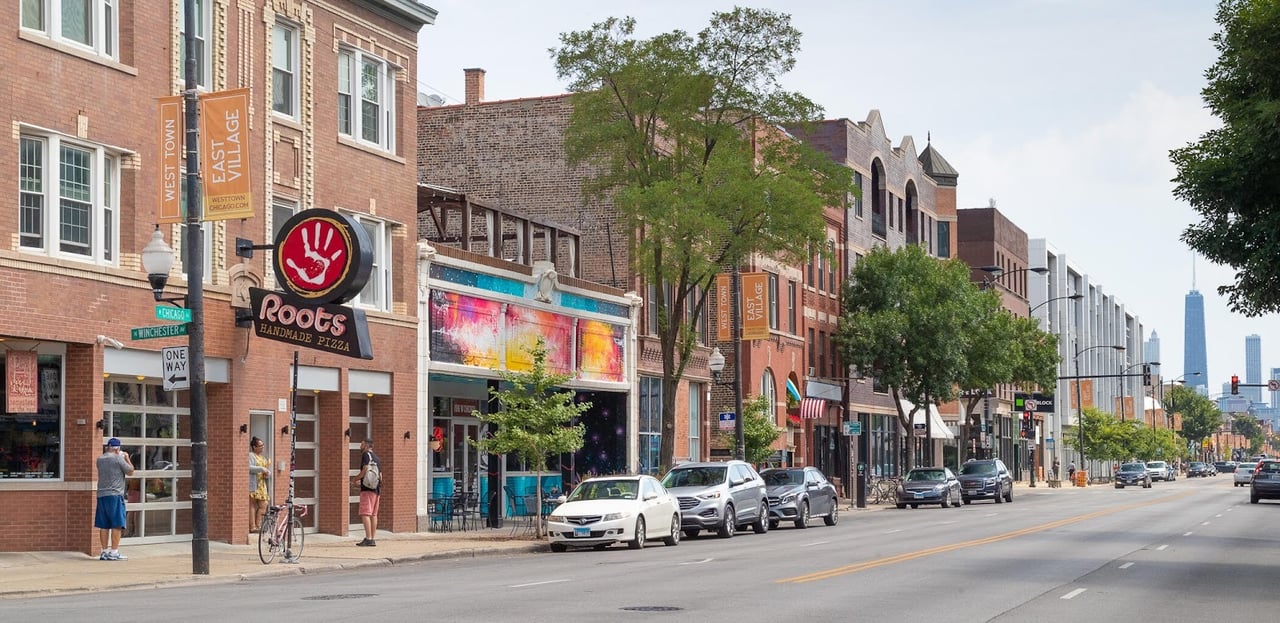
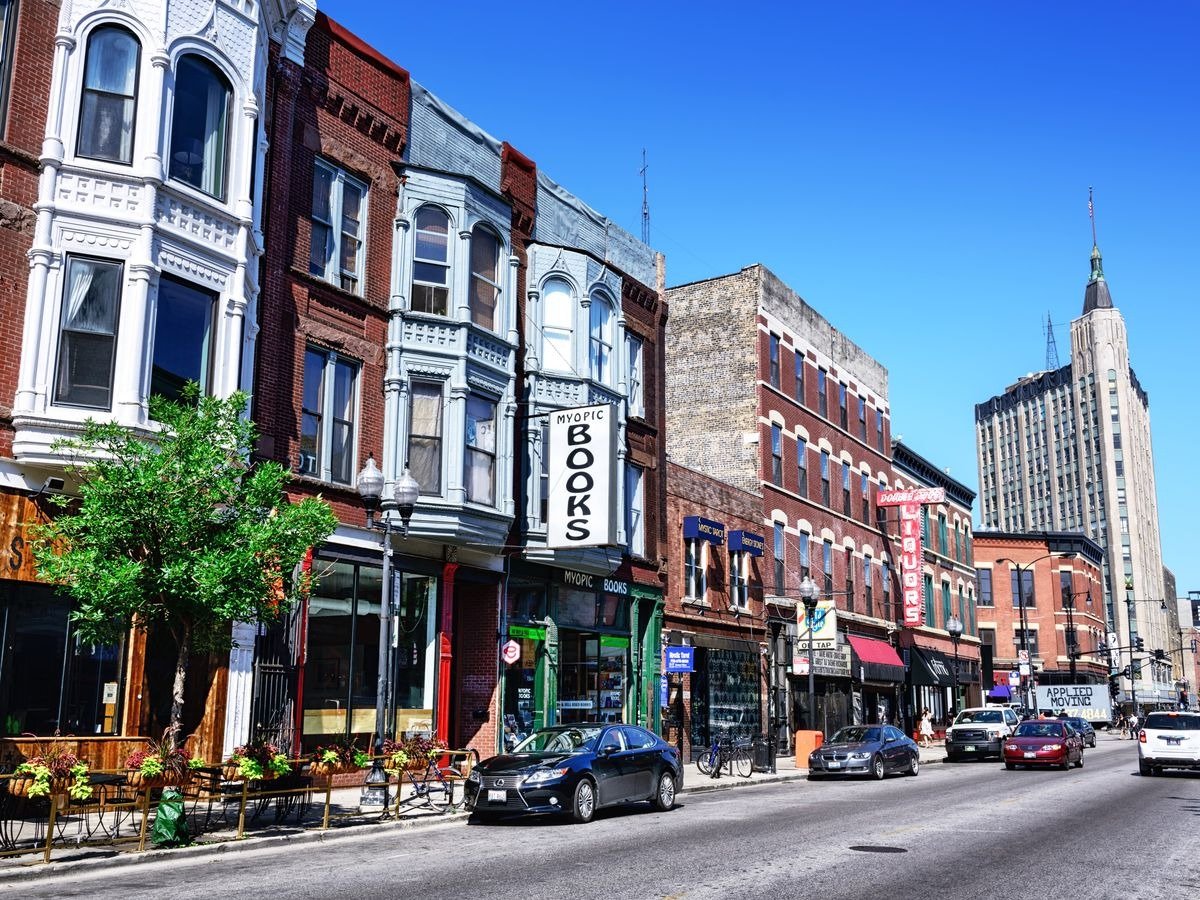
Demand is expected to remain strongest in neighborhoods with walkability, transit access, dining, and limited housing stock, like West Town, Bucktown, Wicker Park, and select areas of River North.
Homes in these areas that are priced correctly and well presented will sell. Others will sit. The gap between “good” and “missed the mark” listings will be obvious.
Q: What price points will perform best?
The upper-middle and luxury segments.
Chicago buyers in the $1M–$3M range tend to be:
-
Less rate-sensitive
-
More lifestyle-driven
-
Ready to act when the right property appears
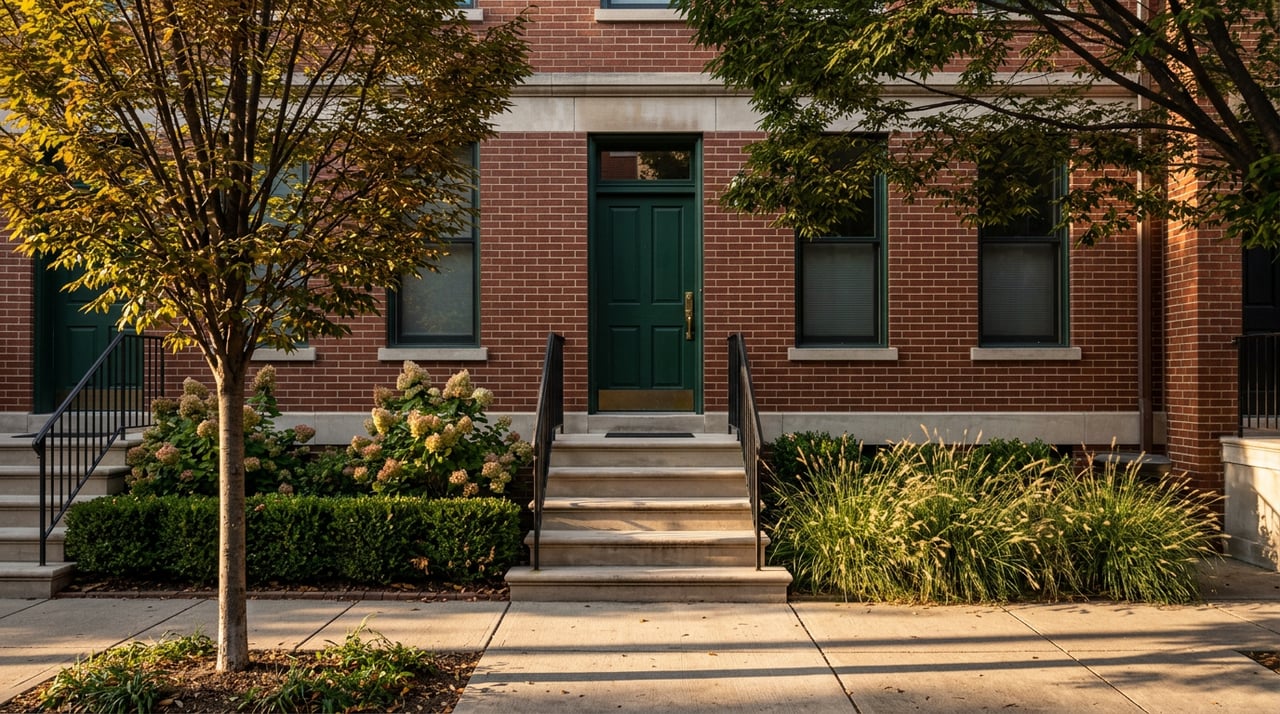
Fee-simple townhomes, single-family homes on quiet blocks, and properties with real outdoor space are positioned to outperform.
Luxury buyers aren’t waiting for better headlines-they’re waiting for the right house.
Q: Will bidding wars come back?
Fewer, but good homes will still move fast.
Buyers in 2026 will be:
-
More analytical
-
More willing to negotiate
-
Less emotional
Bad listings won’t get chased anymore. But strong homes, well-priced, well-marketed, and well located, will still attract serious competition.
Q: What does all this mean if I’m thinking about making a move?
It depends on your role, but strategy matters more than timing.
If you’re a buyer:
Preparation wins. Waiting for “perfect timing” usually costs more than it saves.
If you’re a seller:
Pricing, condition, and marketing matter more than ever. The market will not rescue an overpriced home.
If you’re a homeowner:
Chicago real estate remains a long-term wealth play, especially in neighborhoods people consistently choose.
The Bottom Line
CNBC is right: 2026 won’t be dramatic. And that’s a good thing.
Chicago’s strength has always been its stability. In a calmer market, smart decisions outperform lucky ones-and where you buy matters far more than when.
If you want a block-by-block strategy for navigating 2026 in Chicago, let’s talk.
Ivona Kutermankiewicz
Chicago & West Town Real Estate Advisor