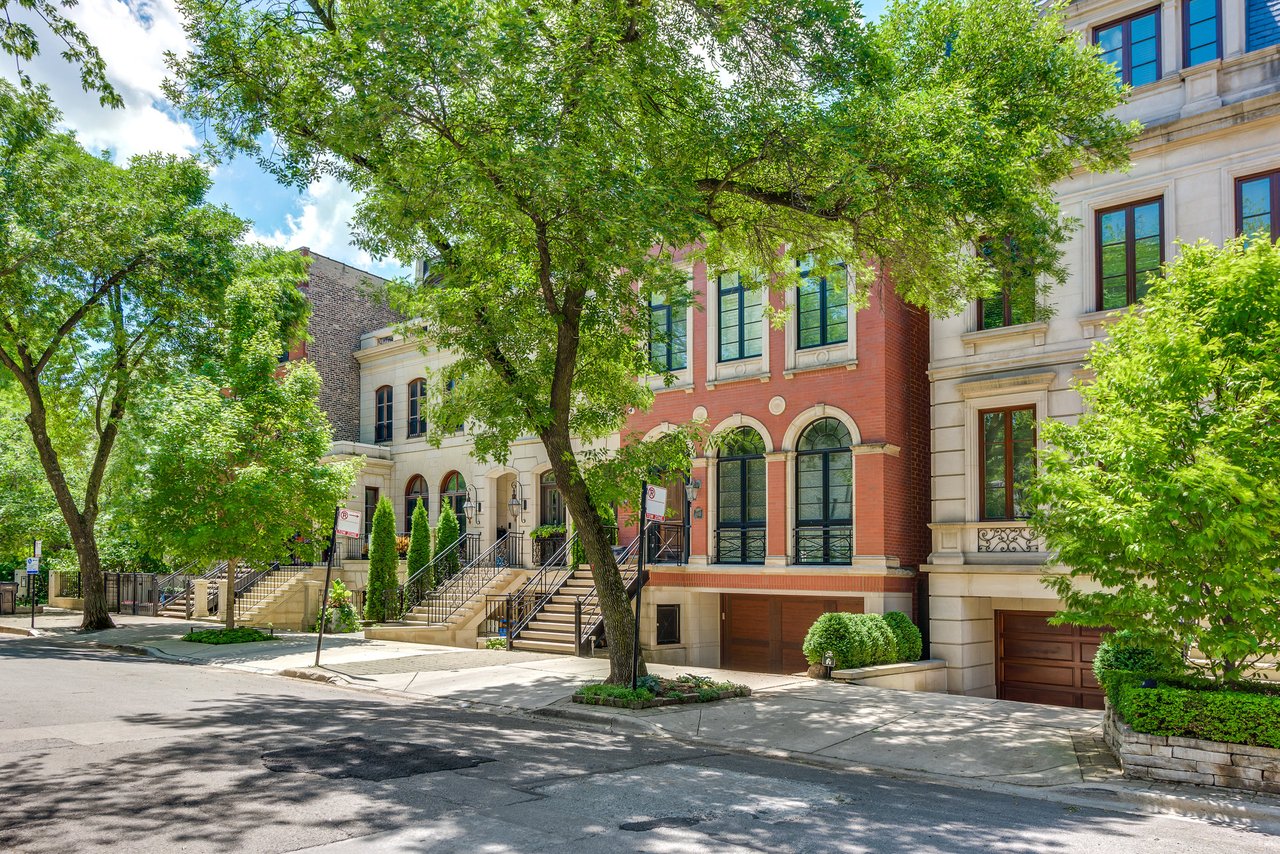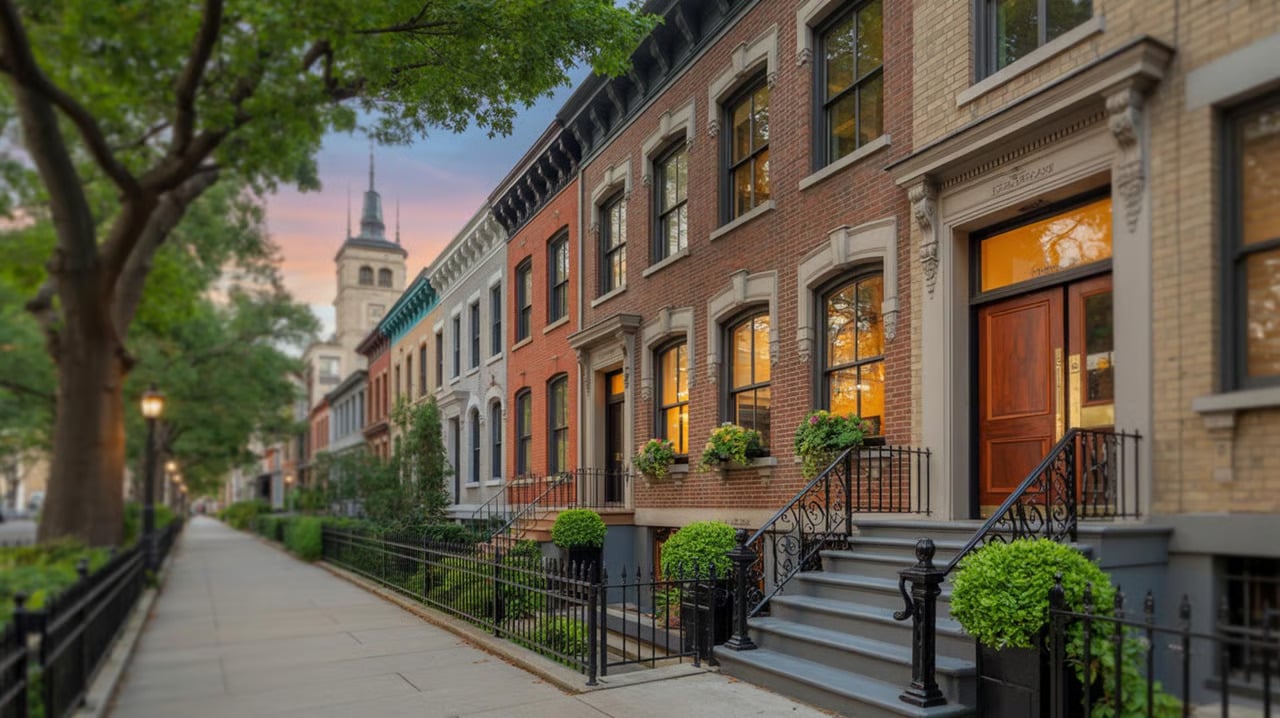
What's behind it, why it's happening with rates at 7.4%, and what it means if you're buying or selling.
For most of my 37 years in this business, Chicago sat out the booms. Austin, Phoenix and Seattle got the headlines, and we were the steady Midwestern city nobody wrote about. That has changed.
For the fifth month in a row, Chicago posted the biggest annual home-price gain of any major metro in the S&P Case-Shiller Home Price Index. The latest report came out September 29 and covers July. It has Chicago prices up 6.9% from a year ago. New York came in second at 5.8% and Cleveland third at 4.2%. Seattle was last, down 1.6%, with Las Vegas and Denver just above it.
What the national number doesn't show
Nationally, home prices rose 1.9% over the year. Inflation ran 3.4%. That means the average American home lost value in real terms, and S&P says that's been true for 14 months in a row.
Chicago is one of the few places where it isn't true. At 6.9%, owners here are about 3.5 points ahead of inflation. S&P calls it an East-West divide. Six of the eight Eastern metros sped up in July, compared with two of the eight Western ones.
Why Chicago
Mostly, there is very little for sale. According to Illinois REALTORS®, single-family inventory in the city was down almost 29% in July from a year earlier. Condo and townhome inventory was down about 25%. Here is what that does:
- The median single-family price was $392,000, up 12%.
- The median condo or townhome price was $440,000, up 11.4%.
- The average single-family home went under contract in 25 days.
- Closings were down 13%. It’s not that the buyers lost interest; there just isn't much to buy.
What surprises people is the rates. Freddie Mac's 30-year average is 7.40% this week, up from 6.30% a year ago. A full-point increase usually cools prices, but it hasn't here. Owners with 3% mortgages are staying put, and the buyers still out there are competing for the same short list of homes.
Value plays a part too. Even after this run, Chicago costs a fraction of comparable neighborhoods in New York or Boston.
What could change
Case-Shiller is a three-month rolling average, and July is the peak of the selling season, so prices usually ease in the fall. Illinois REALTORS® projected the city's median single-family price will dip to around $367,600 by October. That would still be about 5% above last October, a normal seasonal pattern, not a market turn. So far, some neighborhoods are beating the seasonal patterns.
Rates at 7.4% will test buyers this winter. Higher rates may also eventually bring more sellers off the sidelines. Whether Chicago holds the top spot through year-end, time will tell.
If you're thinking of selling
- Prepare the home before it lists. Buyers paying 7.4% want a home they can move into without a project list. Every seller I work with gets a detailed, step-by-step prep plan, and the ones who follow it see the difference in their offers.
- Set your price based on comps. .** A 6.9% citywide appreciation doesn't mean every home gained 6.9%. Your block and your condition determine your number.
- You don't have to wait for spring. Fall and winter bring fewer competing listings, and serious buyers are still looking.
If you're thinking of buying
- Get pre-approved, or better yet - get your loan fully underwritten. In a market this tight, the offer with the best terms wins.
- Shop in low season. Fewer buyers shop in November and December, and that can mean more room to negotiate.
- Be ready to compete for the best homes. Know your number before you walk in.
If you'd like to know what these numbers mean for your home specifically, I'm happy to run them for you. Call or text me at 773.865.5661.
Sources: S&P Dow Jones Indices (S&P Cotality Case-Shiller Home Price Indices, July 2026 release); Illinois REALTORS® Housing Market Forecast, August 2026 (July 2026 data); Freddie Mac Primary Mortgage Market Survey, October 8, 2026; MRED InfoSparks, 12 months through September 2026 (condos, townhomes and single-family homes); Chicago Agent Magazine.